Key Facts: ADEK Public Schools
- Regulator: ADEK (Abu Dhabi Department of Education and Knowledge)
- System: Government public schools and PPP (Public-Private Partnership) charter schools
- Location: Abu Dhabi emirate (Abu Dhabi city, Al Ain, Al Dhafra)
- Curriculum: Enhanced UAE national curriculum with international standards
- Salary Range: AED 12,000–22,000/month (USD 3,270–5,990/month) — government scale
- Benefits: Government-level benefits (housing, flights, medical, pension/gratuity)
- Student Body: Predominantly Emirati nationals
Introduction to ADEK and Abu Dhabi Public Schools
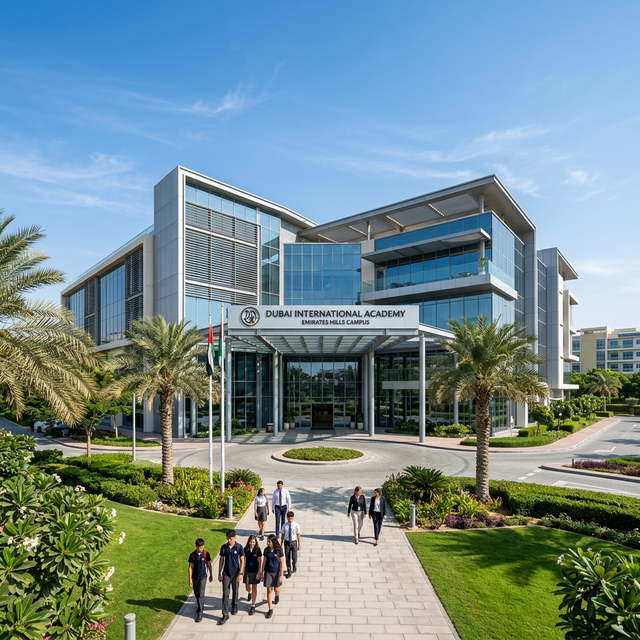
The Abu Dhabi Department of Education and Knowledge (ADEK) is the government body responsible for regulating and overseeing education in the Emirate of Abu Dhabi. ADEK manages the public education system, which serves primarily Emirati students, and also regulates private schools in the emirate. For international teachers, ADEK public schools and the associated PPP (Public-Private Partnership) charter school programme represent a distinctive and often overlooked career option that offers several unique advantages, including government-level salaries and benefits, the opportunity to work with Emirati students, and a different cultural experience from the typical international school environment.
This guide provides a comprehensive overview of teaching in ADEK public and charter schools in 2026, covering how the system works, salary and benefits, the hiring process, working conditions, and practical advice for teachers considering this pathway.
How ADEK Public Schools Work
Abu Dhabi’s public education system has undergone significant reform over the past two decades, with the aim of improving educational outcomes for Emirati students and aligning the system with international best practices. The system operates through two main models: traditional government public schools managed directly by ADEK, and PPP (Public-Private Partnership) charter schools operated by private education providers under contract to ADEK.
Government Public Schools
Traditional government public schools are directly managed by ADEK and staffed by a mix of Emirati and expatriate teachers. These schools deliver the UAE national curriculum, enhanced with elements from international curricula (particularly in English, mathematics, and science). The schools serve Emirati students exclusively and are gender-segregated from secondary level. Teachers in government schools are employed on government contracts, which typically offer superior benefits compared to the private school sector.
PPP Charter Schools
The PPP programme is a distinctive feature of Abu Dhabi’s education system. Under this model, private education companies (operators) are contracted by ADEK to manage clusters of government schools. These operators bring their educational expertise, management practices, and pedagogical approaches to government schools, with the aim of raising standards and improving outcomes. Operators include companies such as Aldar Education, Bloom Education, and other international education providers.
Teachers in PPP schools are typically employed by the private operator rather than directly by the government, but they work in government school buildings with government students. The salary and benefits are usually aligned with or close to government scales, and the working conditions reflect a blend of government school culture and private sector management practices.
Salary and Benefits: Government Scale
One of the major attractions of teaching in ADEK public and charter schools is the government-level salary and benefits package, which is generally superior to what most private schools offer.
Salary Ranges
- Classroom teachers (entry level): AED 12,000–15,000/month (USD 3,270–4,085)
- Experienced teachers: AED 15,000–18,000/month (USD 4,085–4,900)
- Specialist / senior teachers: AED 17,000–20,000/month (USD 4,630–5,445)
- Academic coaches / coordinators: AED 18,000–22,000/month (USD 4,900–5,990)
- School leaders: AED 22,000–30,000+/month (USD 5,990–8,170+)
Benefits (Government-Level)
- Housing: Generous housing allowance (AED 5,000–8,000/month) or furnished accommodation
- Annual flights: Return flights for the teacher and dependants (family package)
- Medical insurance: Comprehensive health coverage including dependants, often with dental and vision
- Tuition: Tuition allowance for dependent children (ADEK schools or private school fee subsidy)
- End-of-service gratuity: Per UAE labour law, often with enhanced terms
- Shipping allowance: Relocation costs at start and end of contract
- Annual leave: Generous annual leave aligned with the school calendar, plus Emirati public holidays
- Professional development: Extensive funded CPD, including ADEK-mandated training programmes
The government benefits package is one of the strongest reasons to consider ADEK schools. The housing allowance alone is often significantly higher than what private schools offer, and the comprehensive family package (flights, medical, tuition) makes ADEK positions particularly attractive for teachers with dependants.
Hiring Process: ADEK Portal and PPP Operators

The hiring process for ADEK public schools and PPP charter schools differs from the typical international school recruitment process.
ADEK Direct Hiring
For positions in government-managed public schools, ADEK manages recruitment through its own portal and HR department. Vacancies are advertised on the ADEK website and through partner agencies. The application process involves submitting your CV and qualifications through the portal, followed by screening, interviews, and credential verification. ADEK has specific requirements for teacher qualifications, including degree attestation and equivalency recognition.
PPP Operator Hiring
For positions in PPP charter schools, recruitment is managed by the private operator (such as Aldar Education or Bloom Education). These operators advertise positions on their own websites, through TES, and through recruitment agencies. The process is similar to private school recruitment and typically includes an online application, video interviews, and reference checks. However, the offer and contract terms will reflect the government scale rather than the operator’s own pay scales.
Requirements
- Bachelor’s degree in a relevant subject (must be from a recognised institution)
- Teaching qualification (PGCE, QTS, state teaching licence, or equivalent)
- Minimum two years of teaching experience (some flexibility for shortage subjects)
- All qualifications must be attested and verified
- Clean criminal record (DBS check or police clearance)
- For some positions: Arabic language proficiency or experience with EAL students
Working in ADEK Schools: Culture and Expectations
Teaching in an ADEK school is a distinctly different experience from teaching in a private international school, and it is important to understand these differences before applying.
Student Body
ADEK public schools serve predominantly Emirati students, which provides a unique cultural experience. Teachers have the opportunity to engage deeply with Emirati culture, build meaningful relationships with local families, and contribute to the educational development of the host country’s citizens. This experience is highly valued and differentiates ADEK teachers from those who have only taught in the international school sector.
Cultural Considerations
Teachers in ADEK schools need to demonstrate cultural sensitivity and respect for Emirati customs, traditions, and values. Schools observe Islamic practices, including prayer times and fasting during Ramadan. Dress codes tend to be more conservative than in some private schools. Arabic is widely spoken alongside English, and teachers may need to work with interpreters or bilingual colleagues when communicating with some parents and students.
Workload and Expectations
ADEK schools generally offer a more structured working day than many private schools, with clear start and finish times and fewer after-hours commitments. However, there are specific ADEK requirements around data reporting, assessment schedules, and professional development activities that teachers must comply with. PPP schools may have additional expectations from the operator, including specific pedagogical approaches and quality assurance processes.
Frequently Asked Questions
Are ADEK school salaries really better than private school salaries?
In general, yes. ADEK government-scale salaries and benefits are among the most competitive in the UAE education sector. The housing allowance alone is often AED 2,000 to 3,000 per month higher than what most private schools offer. When you factor in the comprehensive family benefits (dependant flights, medical, tuition), the total ADEK package frequently exceeds what all but the most premium private schools provide. For detailed comparisons, see our Middle East salary guide.
What is it like teaching Emirati students?
Teaching Emirati students is a rewarding and distinctive experience. Emirati students are generally warm, respectful, and family-oriented. Building positive relationships with students and their families is key to success in ADEK schools. Some teachers find that student motivation and engagement levels vary, as they would in any school system, and that culturally responsive teaching strategies are essential. Many teachers describe their ADEK experience as professionally enriching and personally transformative.
Do I need to speak Arabic to teach in ADEK schools?
Arabic language proficiency is not required for most expatriate teaching positions in ADEK schools, as these roles typically involve teaching English-medium subjects (English, mathematics, science). However, basic Arabic language skills can be helpful for building relationships with students, parents, and Arabic-speaking colleagues. Some schools provide Arabic language lessons for expatriate staff as part of their cultural integration support.
How do PPP charter schools differ from regular public schools?
PPP charter schools are government schools managed by private operators. The main differences are in management style, pedagogical approach, and professional development. PPP operators typically bring more structured quality assurance processes, international best practices, and data-driven approaches to teaching and learning. The salary and benefits are aligned with government scales, but the working culture may feel more like a well-managed private school. Some teachers prefer the additional structure and support that PPP operators provide.
Can I move from ADEK to a private international school (or vice versa)?
Yes, many teachers move between the ADEK system and private international schools during their career in Abu Dhabi. Experience in ADEK schools is valued by private schools, as it demonstrates cultural adaptability and experience with diverse learners. Similarly, private school experience can strengthen an application to ADEK, particularly if you have experience with international curricula and assessment frameworks. The key is to frame your experience in terms that resonate with the school you are applying to.
Where can I find ADEK teaching vacancies?
ADEK vacancies are advertised on the ADEK website, through PPP operator websites (such as Aldar Education and Bloom Education), on TES, and through recruitment agencies. It is advisable to check multiple sources and to apply early, as ADEK positions are popular due to the generous benefits package. For general advice on finding international teaching positions, see our guide to getting an international teaching job.
