Saudi Arabia offers some of the highest-paying TEFL positions in the world, making it a top destination for English teachers seeking to maximize their savings. The Kingdom’s ambitious Vision 2030 transformation plan has dramatically increased demand for English-language instruction across all sectors, from primary schools to corporate boardrooms. In 2026, the Saudi TEFL market is thriving, with opportunities for both male and female teachers in major cities including Riyadh, Jeddah, Dammam, and the emerging megaprojects of NEOM and The Red Sea.
This comprehensive guide covers salary expectations, visa requirements, the application process, and what daily life is like for TEFL teachers in the Kingdom. Whether you are a seasoned professional seeking a premium salary or a newly certified teacher looking for your first international position, Saudi Arabia has opportunities worth exploring.
TEFL Salary in Saudi Arabia 2026
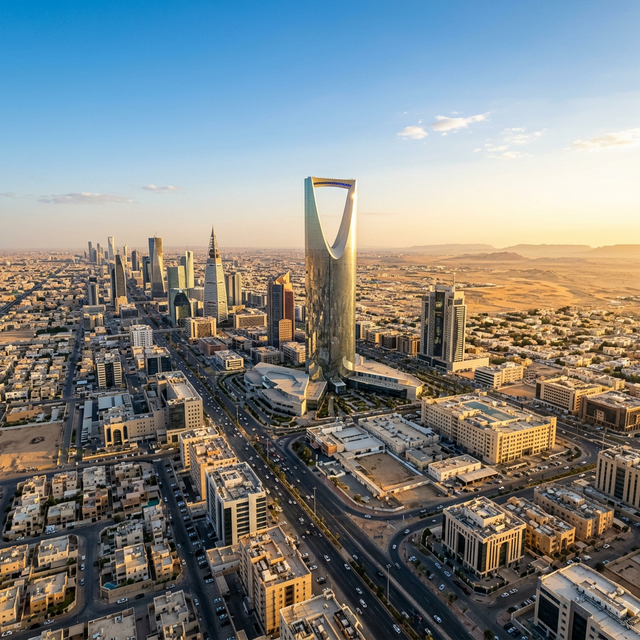
Saudi Arabia consistently offers the highest TEFL salaries in the Middle East, and in many cases, the world. The tax-free income, combined with generous benefits packages that often include free housing and annual flights, makes the Kingdom exceptionally attractive from a financial perspective.
| Position Type | Monthly Salary (SAR) | Monthly Salary (USD) | Typical Benefits |
|---|---|---|---|
| Language Institute Teacher | 10,000-14,000 | $2,665-$3,730 | Housing allowance, visa, health insurance, annual flight |
| University English Instructor | 14,000-22,000 | $3,730-$5,865 | Free furnished housing, visa, full health insurance, 2 annual flights, end-of-contract bonus |
| Aramco Language Programs | 18,000-28,000 | $4,800-$7,465 | Compound housing, premium health insurance, annual flights, recreation facilities |
| Military/Government Programs | 15,000-24,000 | $4,000-$6,400 | Furnished housing, visa, health insurance, transport, annual flight |
| Corporate English Trainer | 13,000-20,000 | $3,465-$5,330 | Housing allowance, visa, health insurance, transport |
| International School ESL | 12,000-18,000 | $3,200-$4,800 | Housing allowance, visa, health insurance, annual flight, tuition discount |
The most financially rewarding positions are in the oil and gas sector, particularly with Saudi Aramco, which runs extensive English language training programs for its employees. Aramco positions offer not only the highest base salaries but also include compound housing (saving SAR 3,000-6,000 per month in rent), premium healthcare, and social facilities. A TEFL teacher at Aramco can realistically save $40,000-$60,000 per year after living expenses. For more details on salary expectations, visit our Middle East teacher salary guide.
Where TEFL Teachers Work in Saudi Arabia
Universities and Colleges
Saudi Arabia’s extensive network of public and private universities is the largest employer of TEFL teachers in the Kingdom. Virtually every university has an English Language Institute or Preparatory Year Program that requires dozens to hundreds of English language instructors. Major employers include King Saud University (Riyadh), King Abdulaziz University (Jeddah), King Fahd University of Petroleum and Minerals (Dhahran), Princess Nourah University (Riyadh, female teachers only), and Taibah University (Madinah).
University positions typically require a Master’s degree in TESOL, Applied Linguistics, or a related field, though some institutions accept experienced teachers with a bachelor’s degree and CELTA or equivalent. These positions offer 20-24 teaching hours per week, generous vacation periods (typically 2-3 months in summer), and comprehensive benefits packages.
Saudi Aramco Language Programs
Saudi Aramco operates one of the world’s largest corporate English language training programs, employing hundreds of TEFL teachers across its facilities in the Eastern Province. Positions range from teaching English for specific purposes (oil and gas terminology, technical writing) to general English for employees at various proficiency levels. Aramco contracts are typically managed through subcontractors like Interserve or SERT, with contracts lasting 1-2 years with renewal options.
Military and Government Language Programs
Several Saudi military branches and government agencies operate English language training centers. The Royal Saudi Air Force, Royal Saudi Navy, and National Guard all employ English teachers for their personnel. These positions require security clearances and often have specific nationality requirements (predominantly US, UK, Canadian, Australian citizens). Salaries are premium, and the structured environment appeals to teachers who prefer a disciplined, organized work setting.
Private Language Schools
Private language schools and training centers operate in all major Saudi cities. While they typically offer lower salaries than universities or government programs, they provide more flexible schedules and lower entry requirements. Schools like British Council, ELS Language Centers, and local chains such as Al-Khaleej Training and Education recruit TEFL teachers regularly. These positions are often suitable for teachers who want to gain Saudi experience before moving to premium employers.
Requirements for TEFL Jobs in Saudi Arabia
Essential Requirements
- Bachelor’s degree: Required for work visa (iqama) issuance. Must be from an accredited institution and attested by your country’s Ministry of Foreign Affairs and the Saudi Embassy.
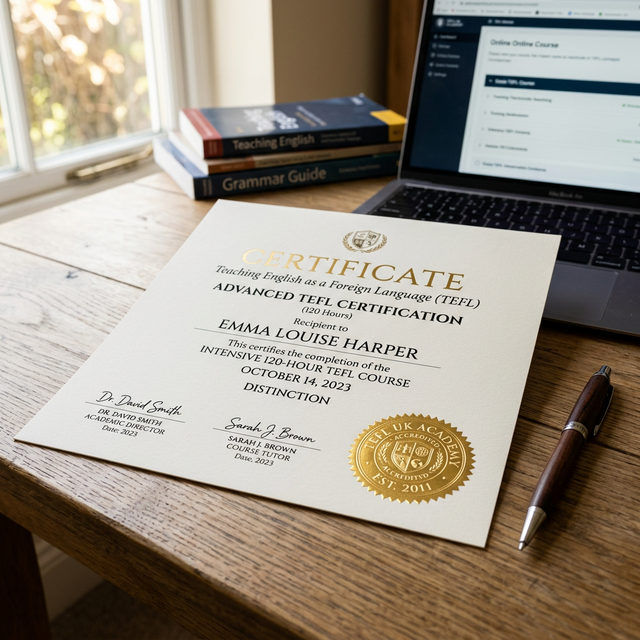
- TEFL/TESOL/CELTA certification: Minimum 120 hours from an accredited provider. University positions typically require CELTA, Delta, or a Master’s in TESOL.
- Clean criminal background check: Required for visa processing. Must be recent (within 6 months) and properly authenticated.
- Medical clearance: Including blood tests for communicable diseases, conducted both in your home country and upon arrival in Saudi Arabia.
- English proficiency proof: For non-native speakers, IELTS 7.5+ or equivalent is typically required.
Preferred Qualifications
- Master’s degree in TESOL, Applied Linguistics, English, or Education
- CELTA, DELTA, or Trinity DipTESOL
- 3-5 years of relevant teaching experience
- Previous Middle East teaching experience
- Business English or ESP (English for Specific Purposes) specialization
Male vs. Female Teaching Opportunities
Saudi Arabia has undergone significant social transformation under Vision 2030, and opportunities for female TEFL teachers have expanded considerably. However, some differences remain in the job market:
Female teachers now have access to a broader range of positions than ever before. Women’s universities and female sections of co-educational institutions actively recruit female TEFL teachers. Princess Nourah University in Riyadh, the world’s largest women’s university, employs hundreds of female English language instructors. Mixed-gender workplaces are increasingly common in the private sector, though some traditional institutions maintain gender-segregated teaching environments.
Male teachers have traditionally had more options in Saudi Arabia, particularly in military programs, industrial training, and men’s sections of universities. These positions remain predominantly open to male teachers, though this is gradually changing.
Both male and female TEFL teachers report positive professional experiences in Saudi Arabia. The key is understanding which institutions align with your preferences regarding workplace environment and cultural expectations.
Visa Process for TEFL Teachers
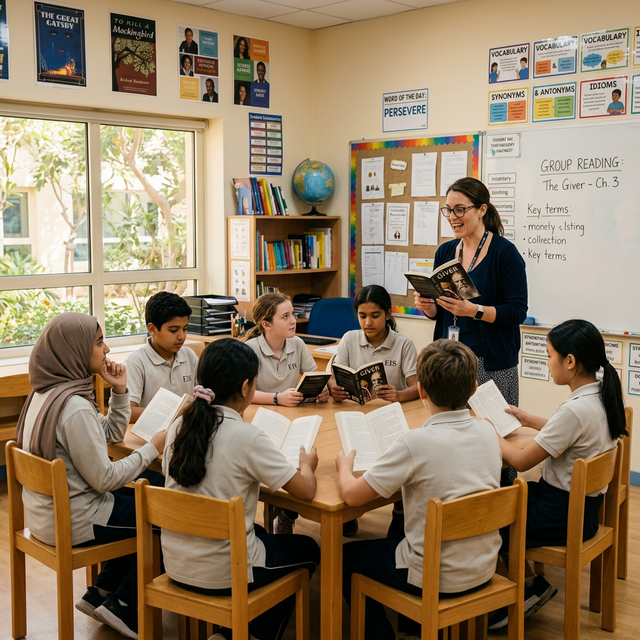
The Saudi work visa (iqama) process is employer-sponsored, meaning your school or institution handles the application and associated costs. The general process involves receiving a formal job offer and signed contract, your employer applying for a work visa through the Ministry of Human Resources, receiving your visa stamp at the Saudi Embassy in your home country, arriving in Saudi Arabia and completing medical examinations, obtaining your iqama (residency permit) within 90 days of arrival. The entire process typically takes 4-8 weeks from contract signing to arrival. For comprehensive details, see our TEFL visa sponsorship guide.
Best Cities for TEFL Teachers in Saudi Arabia
Riyadh
The capital city offers the most job opportunities and generally the highest salaries. Riyadh has a growing social scene for expats, numerous shopping malls, restaurants, and cultural events. The city has transformed significantly under Vision 2030, with entertainment options expanding rapidly. Living costs are moderate, with apartments ranging from SAR 2,000-5,000 per month for a 1-bedroom in popular areas.
Jeddah
Known as the most cosmopolitan Saudi city, Jeddah offers a more relaxed atmosphere compared to Riyadh. Its position on the Red Sea coast provides beach access and water activities. The city has a vibrant arts and culture scene, with the historic Al-Balad district offering fascinating architecture and markets. TEFL job availability is strong, particularly at universities and private language schools.
Dammam/Dhahran (Eastern Province)
The Eastern Province is home to Saudi Aramco’s headquarters and numerous oil and gas companies, making it the epicenter of corporate English training in the Kingdom. Positions here tend to pay premium salaries due to the industrial demand. The Corniche area and proximity to Bahrain (connected by the King Fahd Causeway) provide recreational options.
NEOM and Vision 2030 Projects
Saudi Arabia’s ambitious megaprojects, including NEOM, The Red Sea development, and Qiddiya, are creating new demand for English language training as these developments recruit international workforces. While these opportunities are still emerging, they represent exciting frontier positions for adventurous TEFL teachers.
How to Apply for TEFL Jobs in Saudi Arabia
Securing a TEFL position in Saudi Arabia requires a strategic approach. Start your job search 3-6 months before your desired start date, as visa processing adds time to the hiring cycle. Use platforms like Bayt.com, Gulf Talent, Higher Ed Jobs (for university positions), and LinkedIn for job listings. Direct applications to university websites are particularly effective for academic positions.
Networking within the Saudi TEFL community through forums and social media groups can uncover positions that are never publicly advertised. Many Saudi employers prefer referrals from existing teachers, so connecting with current TEFL professionals in the Kingdom is valuable.
When applying, ensure your CV follows Middle Eastern conventions: include a professional photo, your nationality, and your visa status. Tailor your cover letter to the specific institution and demonstrate knowledge of Saudi educational priorities and Vision 2030 goals.
Living in Saudi Arabia as a TEFL Teacher
Daily life in Saudi Arabia has changed dramatically in recent years. The Kingdom now offers cinemas, concerts, mixed-gender dining, and public entertainment events that were previously unavailable. Expat social communities are active and welcoming, and most TEFL teachers find the lifestyle comfortable and rewarding.
The cost of living varies by city but is generally moderate. If your employer provides free housing (common for university and Aramco positions), your monthly expenses for food, transportation, and entertainment can be as low as SAR 3,000-5,000, enabling substantial savings.
Cultural awareness is important: Saudi Arabia is an Islamic country with specific social norms regarding dress, alcohol (prohibited), and religious observances. Most TEFL teachers find that with basic cultural sensitivity, they integrate comfortably into Saudi life and develop genuine appreciation for Arabian hospitality and culture.
Frequently Asked Questions
How much can a TEFL teacher save in Saudi Arabia?
TEFL teachers in Saudi Arabia typically save between $15,000 and $50,000 per year, depending on their position and spending habits. University teachers with free housing commonly save 60-70% of their salary. Aramco teachers with compound housing and subsidized meals can save even more. The tax-free income and provided benefits make Saudi Arabia one of the most financially rewarding TEFL destinations in the world.
Is Saudi Arabia safe for TEFL teachers?
Saudi Arabia has very low crime rates, and most expat TEFL teachers report feeling extremely safe. The country has invested heavily in security infrastructure, and violent crime against foreigners is exceptionally rare. The greatest safety concerns for most teachers are road traffic (driving standards differ from Western countries) and extreme summer heat. Employers provide comprehensive orientation covering safety and cultural expectations.
Can female teachers work in Saudi Arabia?
Yes, female TEFL teachers are actively recruited in Saudi Arabia, particularly for women’s universities, female sections of co-educational institutions, and increasingly in mixed-gender corporate settings. The social reforms under Vision 2030 have significantly expanded opportunities for female teachers. Women can drive, dress in professional attire (modest but not necessarily abaya-clad in many workplaces), and enjoy a comfortable professional life in the Kingdom.
Do I need a Master’s degree for TEFL jobs in Saudi Arabia?
A Master’s degree is not universally required but significantly expands your options. University positions, which offer the best overall packages, typically require at least a Master’s degree. Language school and corporate positions may accept a bachelor’s degree with TEFL certification and experience. Aramco and military programs vary in their requirements. Having a Master’s degree in TESOL or a related field can increase your salary by SAR 3,000-5,000 per month. Learn more in our MA TESOL guide.
What is the contract length for TEFL jobs in Saudi Arabia?
Most TEFL contracts in Saudi Arabia are 1-2 years in length, with options for renewal. University positions typically follow the academic year with 10-month teaching contracts plus summer vacation. Aramco and military positions usually offer 12-month contracts with 30 days of annual leave. Many teachers renew multiple times, with some spending 5-10 years in the Kingdom due to the excellent financial benefits.
Can I teach TEFL in Saudi Arabia without a degree?
No, a bachelor’s degree is a mandatory requirement for obtaining a Saudi work visa (iqama). There are no alternative pathways or exceptions for teaching positions. If you do not have a degree, consider exploring our guide on TEFL without a degree for alternative destinations where degree requirements are more flexible.
