Teaching English in Saudi Arabia represents one of the most financially rewarding opportunities in the global TEFL industry. The Kingdom’s transformation under Vision 2030 has created unprecedented demand for English language instruction, while its tax-free salaries, generous benefits packages, and low cost of living enable teachers to save more money than in virtually any other TEFL destination. This comprehensive guide covers everything from the types of teaching positions available to the realities of daily life in the Kingdom.
Saudi Arabia’s commitment to developing a bilingual workforce has resulted in massive investment in English language education at every level. From university foundation programs to corporate training at Saudi Aramco, from military language schools to private language centers, the demand for qualified English teachers continues to grow. For teachers willing to embrace a unique cultural experience, Saudi Arabia offers financial rewards that are difficult to match anywhere else in the world.
Why Teach English in Saudi Arabia?
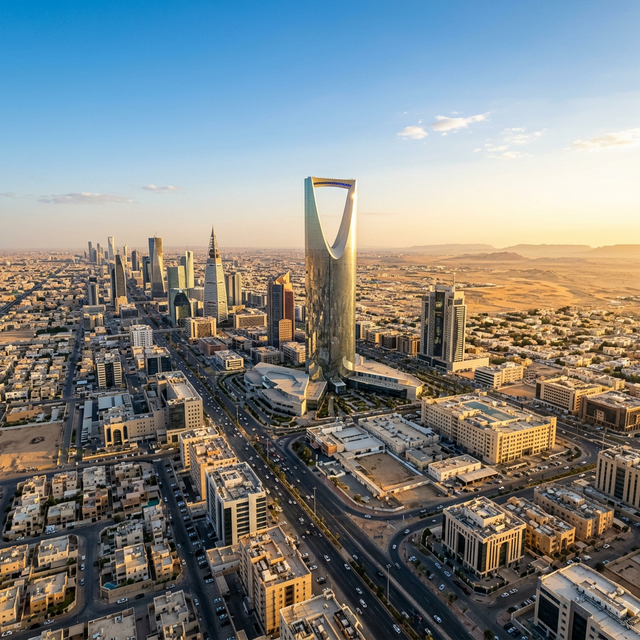
The primary draw of teaching in Saudi Arabia is financial. Tax-free salaries, combined with employer-provided housing (or generous housing allowances), annual flights, health insurance, and end-of-service bonuses, create compensation packages that allow significant savings. A university English instructor earning SAR 18,000 per month with free housing can realistically save $35,000-$50,000 per year.
Beyond finances, Saudi Arabia offers a genuinely unique cultural experience that few other teaching destinations can match. The Kingdom’s rich history, stunning landscapes (from the mountains of Asir to the coral reefs of the Red Sea to the vast Rub al Khali desert), and rapid modernization create a fascinating environment for adventurous educators.
The Vision 2030 reforms have dramatically transformed daily life in the Kingdom. Concerts, cinemas, sporting events, mixed-gender dining, and tourist attractions are now readily available. The establishment of the Entertainment Authority has brought international performers and events to Saudi cities, fundamentally changing the social landscape for expats.
Teaching Positions Available
University English Programs
Saudi universities are the backbone of the Kingdom’s TEFL market. Nearly every university operates a Preparatory Year Program (PYP) or English Language Institute that provides intensive English instruction to incoming students. These programs employ hundreds of English teachers across the country. Major employers include King Saud University (Riyadh), King Abdulaziz University (Jeddah), King Fahd University of Petroleum and Minerals (Dhahran), Imam University (Riyadh), and Taibah University (Madinah).
University positions offer the best overall packages: SAR 14,000-22,000 per month, furnished housing or housing allowance of SAR 4,000-8,000, annual flights, premium health insurance, and end-of-service bonuses. Teaching loads are typically 18-24 contact hours per week, with generous vacation periods including a 2-3 month summer break.
Saudi Aramco and Corporate Programs
Saudi Aramco, the world’s most valuable company, operates extensive English language training programs for its 70,000+ employees. Aramco teaching positions are contracted through companies like Interserve, SERT, and other staffing agencies. These positions are among the most lucrative in the global TEFL industry, with monthly salaries of SAR 18,000-28,000 plus compound housing, premium healthcare, recreation facilities, and annual flights.
Beyond Aramco, companies like SABIC, Saudi Telecom Company (STC), and various banks and financial institutions run corporate English programs. These positions focus on business English, technical writing, and English for specific purposes, requiring relevant specializations. For details on this sector, see our business English teaching guide.
Military and Government Language Programs
The Royal Saudi Air Force (RSAF), Royal Saudi Naval Forces, Saudi Arabian National Guard, and various government ministries operate English language training centers. These positions are often recruited through agencies such as Vinnell Arabia, DynCorp, and SAIC. Military positions offer premium salaries (SAR 15,000-24,000), structured working environments, and comprehensive benefits. They typically require specific nationality (US, UK, Canadian, Australian) and security clearance.
Language Schools and Training Centers
Private language schools operate in all major Saudi cities. The British Council, ELS Language Centers, and local chains provide general English, IELTS preparation, and conversational English courses. Salaries at language schools (SAR 10,000-14,000) are lower than university or Aramco positions but offer more accessible entry requirements and flexible scheduling. For entry-level TEFL teachers, language schools are the most realistic first step in the Saudi market.
Requirements and Qualifications
Standard requirements across all Saudi teaching positions include a bachelor’s degree from an accredited university, TEFL certification of at least 120 hours (CELTA strongly preferred for university positions), a clean criminal background check, and a medical clearance. For TEFL certification options, see our best TEFL courses guide.
University positions additionally require a Master’s degree in TESOL, Applied Linguistics, or Education (strongly preferred, often required), CELTA, DELTA, or equivalent, and 2-5 years of relevant teaching experience. Language school positions are more flexible, often accepting newly qualified teachers with accredited TEFL certification and a bachelor’s degree in any field.
Male and Female Teaching Opportunities
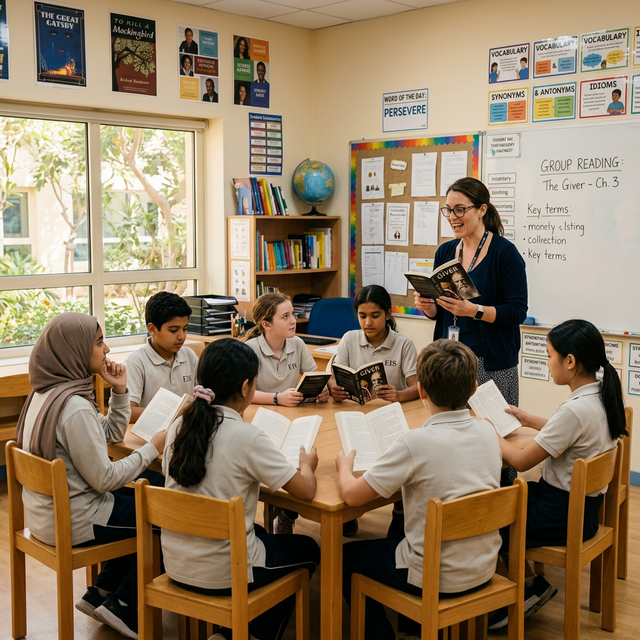
Saudi Arabia’s Vision 2030 reforms have significantly expanded opportunities for female teachers. Women now drive, work in mixed-gender environments in many sectors, and enjoy a much broader range of professional and social freedoms than in previous decades. Princess Nourah University, the world’s largest women’s university, employs hundreds of female English teachers with excellent packages.
Female teachers should be aware that some institutions still maintain gender-segregated environments, which affects the available positions but not the quality or compensation. Private sector companies and newer institutions increasingly operate mixed-gender workplaces. Both male and female teachers report positive professional experiences in the Kingdom.
Living in Saudi Arabia
Life in Saudi Arabia has transformed dramatically. Major cities now offer cinemas, concert halls, restaurants, shopping malls, and entertainment districts. The development of tourism destinations including AlUla, The Red Sea Project, Diriyah, and NEOM provides recreational options that did not exist a few years ago.
The cost of living is moderate to low, especially for teachers with employer-provided housing. Monthly expenses for a single teacher (food, transport, communication, entertainment) typically range from SAR 3,000-5,000. Teachers without housing allowance should budget SAR 2,000-5,000 for rent depending on the city and accommodation type.
Cultural awareness remains important. Saudi Arabia is an Islamic country, and while social norms have relaxed significantly, teachers should dress modestly, respect prayer times and Ramadan observance, and abstain from alcohol (which is prohibited). Most teachers find that with basic cultural sensitivity and an open mind, they integrate comfortably into Saudi life.
How to Apply
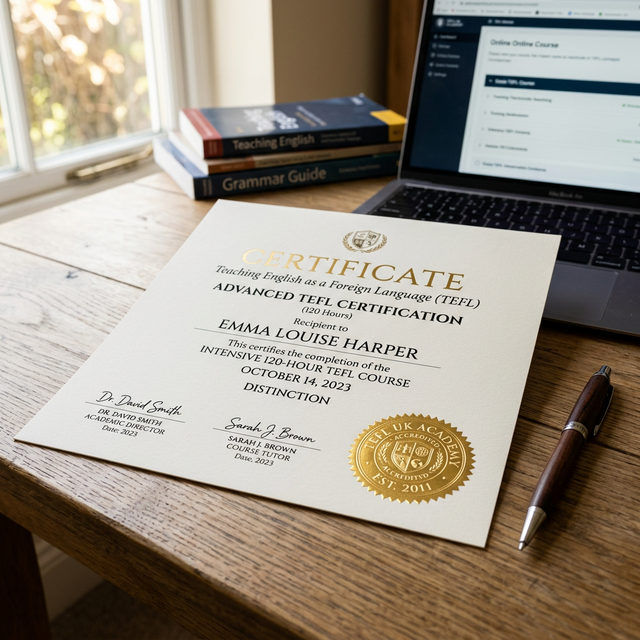
For university positions, apply directly through university websites or through agencies like GoldStar Teachers and Gulf Recruiters. Peak hiring is March-June for September starts. For Aramco and military positions, apply through contracting companies (Interserve, SERT, Vinnell Arabia) that manage recruitment for these programs. For language schools, search on Bayt.com, Gulf Talent, and LinkedIn. Having your documents pre-attested (degree, background check, TEFL certificate) accelerates the hiring process.
Frequently Asked Questions
How much money can I save teaching English in Saudi Arabia?
Most English teachers in Saudi Arabia save $15,000-$50,000 per year depending on position and lifestyle. University teachers with free housing commonly save 60-70% of their salary. Aramco teachers can save even more due to compound living and subsidized meals. Language school teachers save less but still accumulate significant savings compared to teaching in most other countries. See our detailed Saudi Arabia TEFL salary guide.
Is it safe to teach in Saudi Arabia?
Saudi Arabia has very low crime rates and strong security infrastructure. Violent crime against foreigners is extremely rare. The greatest practical risks are road traffic (driving styles differ from Western norms) and extreme summer heat. All employers provide security orientation, and the expat community is well-established and supportive.
Do I need a Master’s degree to teach in Saudi Arabia?
Not always. Language schools and some corporate programs accept a bachelor’s degree with TEFL certification. University positions strongly prefer or require a Master’s degree. If you are considering pursuing a Master’s to enhance your Saudi prospects, see our MA TESOL guide.
What is the contract length for teaching in Saudi Arabia?
Most contracts are 1-2 years with renewal options. University positions follow the academic year. Aramco and military contracts are typically 12 months with extensions. Many teachers renew multiple times, some spending 5-10+ years in the Kingdom.
Can female teachers work in Saudi Arabia?
Yes, female TEFL teachers are actively recruited, particularly for women’s universities and female sections of co-educational institutions. The working environment for female teachers has improved significantly under Vision 2030, with greater social freedoms and expanding mixed-gender workplace options.
What is the weather like in Saudi Arabia?
Summers are extremely hot (40-50°C in most cities) from June through September. Winters are mild and pleasant (15-25°C) from November through February, making it an excellent time for outdoor activities and travel. Jeddah and Red Sea coastal areas are humid year-round, while Riyadh and central cities are hot and dry. The Asir region in the southwest offers cooler mountain temperatures.
