Your Pathway to Head of Department in International Education
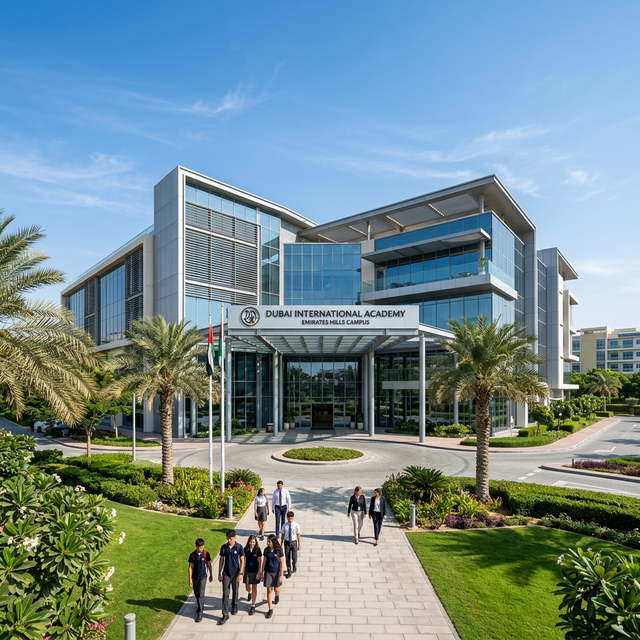
Becoming a Head of Department (HoD) at an international school is one of the most significant career transitions a teacher can make. It represents the first major step on the leadership ladder, bringing new responsibilities, challenges, and rewards. In the Middle East, where international school growth has created enormous demand for qualified leaders, the HoD role offers both excellent career development and a meaningful increase in compensation.
This comprehensive guide walks you through every aspect of becoming a Head of Department at an international school in the Middle East, from understanding when you are ready to apply, through to excelling in the role once you are appointed. Whether you are a mid-career teacher considering your next step or an aspiring leader actively planning your pathway, this guide provides the practical information you need.
What Does a Head of Department Actually Do?
The HoD role varies between schools, but core responsibilities typically include:
- Academic leadership: Setting the vision and direction for the department, ensuring curriculum quality, and driving improvements in teaching and learning
- Staff management: Line managing department teachers, conducting observations, providing feedback, and supporting professional development
- Data analysis: Monitoring student performance data, identifying trends, and implementing strategies to improve outcomes
- Curriculum development: Overseeing curriculum planning, assessment design, and resource selection
- Budget management: Managing the department budget for resources, equipment, and professional development
- Recruitment: Participating in the recruitment and selection of new department members
- Communication: Liaising between department staff, senior leadership, parents, and students
- Teaching: Maintaining a reduced but still substantial teaching timetable, typically 60 to 80 percent of a full teaching load
The balance between these responsibilities shifts depending on the school size and structure. At smaller schools, the HoD may have a heavier teaching load with less administrative support. At larger schools with well-resourced departments, the leadership and management components take precedence.
When Should You Apply? Qualifications and Experience Needed
Experience Requirements
Most international schools in the Middle East expect HoD candidates to have:
- 3 to 5 years of classroom teaching experience as an absolute minimum, with many schools preferring 5 or more years
- At least 1 to 2 years of international school experience, though some schools will consider candidates new to international education if their domestic experience is strong
- Evidence of informal leadership: Coordinating projects, mentoring colleagues, leading initiatives, or running extracurricular programmes
- Consistent record of strong teaching: Demonstrated through observations, student outcomes, and peer recognition
Qualifications
Required and desirable qualifications typically include:
- Essential: Bachelor’s degree and recognised teaching qualification (PGCE, QTS, teaching licence, or equivalent). See our qualifications guide for details.
- Highly desirable: Master’s degree in education, subject specialism, or educational leadership
- Beneficial: NPQML (National Professional Qualification for Middle Leadership) or equivalent leadership qualification
- Beneficial: IB training and certification if targeting IB schools
- Beneficial: Specialist certifications in your subject area
A master’s degree is not always strictly required, but it significantly strengthens your application and is expected at many Tier 1 schools. If you do not have one, consider starting a master’s programme before or during your HoD transition.
How to Build Your Case for HoD
Securing an HoD role requires deliberate preparation over one to two years. Here is how to position yourself:
Step 1: Express Your Interest
Inform your current line manager and senior leadership team that you are interested in leadership. This is not about being presumptuous; it is about ensuring you are considered for opportunities and that your performance management targets can be aligned with leadership development.
Step 2: Seek Leadership Opportunities
Actively volunteer for responsibilities that demonstrate leadership capacity:
- Lead a school-wide initiative or project
- Coordinate curriculum planning for your year group or key stage
- Mentor a new teacher or student teacher
- Organise a professional development session for colleagues
- Chair a committee or working group
- Lead an extracurricular programme
Step 3: Develop Your Data Literacy
HoDs are expected to use data effectively. Develop your skills in analysing student performance data, setting data-driven targets, and presenting data to stakeholders. If your school uses specific data platforms, become proficient in them. Understanding value-added measures, progress tracking, and assessment analysis is increasingly important.
Step 4: Build Your Professional Profile
Engage in professional development that signals leadership readiness. Attend conferences, publish articles or blog posts about teaching, present at professional events, and build a network of contacts in your subject area. A strong professional profile distinguishes you from other candidates with similar experience.
Step 5: Document Your Achievements
Maintain a portfolio of evidence that demonstrates your impact: student outcome data, observation feedback, project reports, colleague testimonials, and professional development records. This portfolio will be invaluable during the application and interview process.
Salary Increase Expectations
Moving from a classroom teacher to Head of Department typically brings a 15 to 30 percent increase in total compensation in the Middle East, though this varies by school. The increase may come through a combination of higher base salary, a leadership allowance, or additional benefits such as a larger housing allowance.
In the UAE, an HoD at a Tier 1 school might earn AED 22,000 to 30,000 per month compared to AED 16,000 to 22,000 for a classroom teacher at the same school. In Saudi Arabia and Qatar, similar proportional increases apply. For detailed salary data, consult our Teacher Salaries in the Middle East guide.
Beyond direct salary, the HoD role positions you for further advancement to Assistant Head, Deputy Head, and beyond, each bringing significant additional compensation. The long-term financial trajectory of a leadership career in international education is substantial.
Interview Tips for HoD Positions

HoD interviews at international schools typically involve multiple stages:
Stage 1: Application and Cover Letter
Your application should clearly articulate your leadership vision, evidence of impact, and understanding of the school’s context. Research the school thoroughly and tailor your application to their specific needs and priorities.
Stage 2: Interview
Expect questions covering:
- Your vision for the department and how you would implement it
- How you would manage underperforming teachers
- Your approach to data-driven improvement
- How you handle conflict within a team
- Specific scenarios related to the school’s context (for example, managing a multicultural department or implementing a new curriculum)
- Your understanding of the school’s improvement priorities
Stage 3: Task or Presentation
Many schools ask HoD candidates to complete a task, such as analysing a set of student data and presenting an improvement plan, delivering a sample lesson, or writing a departmental development plan. Prepare for this by practising concise, evidence-based presentations.
Middle East Specific Considerations
Being an HoD in the Middle East involves some unique considerations:
- Managing diverse teams: Your department may include teachers from six or more nationalities, each with different educational traditions and cultural expectations
- High teacher turnover: International schools often have turnover rates of 15 to 25 percent annually, meaning you may be regularly onboarding new team members
- Parent expectations: In many Middle East schools, parents are highly engaged and expectations around communication and academic outcomes are elevated
- Regulatory requirements: Each country has specific curriculum requirements and inspection frameworks that affect department planning
- Commercial pressures: Some schools operate under commercial models where student enrollment and satisfaction directly affect business outcomes, creating pressures that do not exist in non-profit or government schools
These challenges are manageable with the right preparation and mindset, and they develop leadership skills that are valued globally. For guidance on the next steps beyond HoD, see our pathway to Principal guide.
Frequently Asked Questions
Can I become a Head of Department without a master’s degree?
Yes, a master’s degree is not always required, though it is increasingly expected at Tier 1 schools. Strong classroom performance, leadership evidence, and relevant professional development can compensate for the absence of a master’s degree, particularly at Tier 2 and Tier 3 schools. However, if you are serious about a leadership career, investing in a master’s programme is strongly recommended. Many programmes offer flexible, part-time options that you can complete while teaching. Check our qualifications guide for recommended programmes.
Is it easier to get an HoD position at an international school than at a school in my home country?
In many cases, yes. International schools, particularly in the Middle East, often have a larger number of leadership positions relative to staff size, and the rapid growth of the sector creates regular openings. Additionally, the diverse candidate pool means that strong candidates from various national systems can compete on equal footing. However, competition for HoD roles at Tier 1 international schools is fierce, so preparation remains essential.
Should I apply for an HoD role at my current school or move to a new school?
Both approaches have advantages. Applying internally means you know the school, have established relationships, and can hit the ground running. Moving to a new school offers a fresh start, potentially better compensation, and new challenges. If your current school has a clear opening and you are well-regarded, internal promotion can be the smoothest path. If there are no opportunities or you feel you need a change, explore external options through recruitment agencies like Search Associates or Edvectus that handle leadership positions.
What is the biggest challenge in the first year as an HoD?
Most new HoDs report that the biggest challenge is the transition from being a colleague to being a line manager. Managing people who were recently your peers requires a shift in relationship dynamics that can be uncomfortable. Setting clear expectations early, being fair and consistent, and maintaining open communication helps navigate this transition. Seeking mentorship from experienced leaders in your school is invaluable during this period.
How long should I stay in an HoD role before seeking further promotion?
Plan to spend at least two to three years in an HoD role before seeking promotion to Assistant Head or Deputy Head. This gives you time to establish a track record of impact, develop your leadership skills, and demonstrate sustained success. Moving too quickly can result in gaps in your skill set and may be viewed sceptically by senior leadership recruiters. Use the HoD years to build evidence, complete additional qualifications, and develop a clear vision for your leadership career.
Do all subjects have equal opportunities for HoD positions in the Middle East?
The availability of HoD positions varies by subject and school. Core subjects like English, mathematics, and science typically have the most HoD positions and are the most competitive. Humanities, languages, and creative arts departments may be smaller, with fewer but equally valuable leadership opportunities. In some schools, smaller departments may be combined under one HoD, such as “Humanities” covering history and geography. Regardless of your subject, strong leadership evidence and a clear vision will make you competitive.
Professional Development for Aspiring Heads of Department

Investing in your professional development is one of the most effective ways to strengthen your candidacy for HoD positions. Consider these development pathways:
- Leadership qualifications: NPQML, NPQSL, or equivalent programmes provide structured leadership training that is recognised by international schools. Many of these can be completed online or through blended learning while you continue teaching.
- Subject-specific leadership: Organisations like the International Baccalaureate, Cambridge International, and Pearson Edexcel offer leadership-focused workshops and certifications for subject coordinators.
- Coaching and mentoring courses: Developing coaching skills is increasingly important for HoDs who are expected to develop their team members rather than simply manage them. Courses from the Institute of Leadership and Management or similar bodies are valuable.
- Data and assessment training: Programmes that develop your skills in data analysis, assessment design, and performance tracking make you more effective as a department leader and more attractive to schools.
- Conference attendance: Presenting at or attending education conferences like BSME (British Schools of the Middle East), GESS, or subject-specific events demonstrates engagement with the broader education community and builds your professional network.
Many international schools in the Middle East provide professional development budgets that can fund these activities. If your current school offers such support, take full advantage of it. If not, consider self-funding key qualifications as an investment in your career progression. The return on investment from a leadership qualification, when measured against the salary increase of an HoD appointment, is typically significant.
The Emotional Transition to Leadership
Beyond the practical skills and qualifications, becoming an HoD involves a significant emotional and identity shift that is worth acknowledging and preparing for. As a classroom teacher, your identity is built around your relationship with students and your craft as an educator. As an HoD, you must develop a new dimension to your professional identity: that of a leader and manager of adults.
This transition involves learning to give constructive feedback to colleagues, making difficult decisions about resource allocation and staffing, and sometimes having uncomfortable conversations about performance. You will need to balance being approachable and supportive with being authoritative and decisive. Teachers who successfully navigate this transition often describe it as the most challenging but also the most professionally rewarding phase of their careers.
Seek out opportunities to practise these skills before stepping into the role. Offering to lead peer observations, facilitate department meetings, or coordinate improvement projects gives you a safe space to develop your leadership style and build confidence. The more prepared you are for the emotional demands of leadership, the more effectively you will perform when you take on the HoD role.
For those with ambitions beyond Head of Department, our pathway to International School Principal guide provides the roadmap for the next stages of your leadership career. And for guidance on the broader question of whether an international teaching career is right for you, visit our honest assessment of teaching abroad.
