Why teach in Oman in 2026?
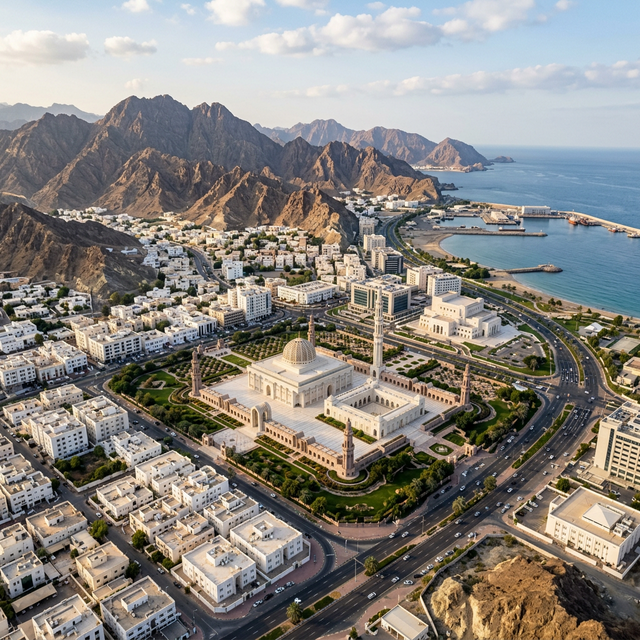
Oman employs approximately 8,400 international teachers across 438 private schools, educating over 193,000 students in a country consistently ranked the safest and most welcoming in the Gulf region. The Sultanate’s Oman Vision 2040 has prioritized education reform, investing OMR 2.8 billion (USD $7.3 billion) into modernizing its school system, building 150 new school facilities, and transitioning to competency-based curricula aligned with international benchmarks.
What sets Oman apart from its GCC neighbors is its extraordinary natural beauty and cultural authenticity. From the dramatic 3,000-meter peaks of Jebel Akhdar to the pristine beaches of Musandam, the vast Wahiba Sands desert to the UNESCO-listed Aflaj irrigation systems, Oman offers outdoor experiences unmatched in the Gulf. Teachers frequently cite Oman’s landscapes, friendly population (Omanis are famous for their hospitality), and lower cost of living as reasons for staying multiple contract cycles.
Oman’s teaching market is less saturated than the UAE or Qatar, meaning qualified candidates face less competition for positions. Schools in Oman report average staff retention rates of 72% — among the highest in the GCC — suggesting that teachers who arrive tend to stay, drawn by the quality of life, manageable class sizes (average 22 students), and a work-life balance that larger Gulf cities struggle to match.
How much do international teachers earn in Oman in 2026?
International teachers in Oman earn OMR 800–2,000 per month (USD $2,080–$5,195) tax-free, with senior leaders reaching OMR 2,200–3,000. While base salaries are 10–20% lower than the UAE average, Oman’s significantly lower cost of living means net savings are comparable for many teachers — particularly those on full packages with housing provided.
Salary ranges by school type and experience
| School Type | NQT (OMR/month) | Mid-career (OMR/month) | Senior Leader (OMR/month) |
|---|---|---|---|
| Tier 1 International (Muscat) | 900–1,200 | 1,400–2,000 | 2,000–3,000 |
| Tier 2 International | 800–1,000 | 1,100–1,600 | 1,600–2,200 |
| Bilingual / Arabic-English | 700–950 | 950–1,400 | 1,400–1,800 |
| Corporate/Oil Company schools | 1,000–1,300 | 1,500–2,100 | 2,100–2,800 |
Corporate-sector schools affiliated with oil companies (PDO — Petroleum Development Oman, Shell, BP) offer premium packages comparable to Saudi Aramco, including compound housing, children’s tuition, flights for families up to 4 members, and club memberships valued at OMR 2,000–3,000 annually. These positions are highly competitive with typical applications exceeding 150 per vacancy. See our Middle East teacher salary comparison for GCC-wide data.
What qualifications do you need to teach in Oman?
Oman’s Ministry of Education requires a bachelor’s degree from an accredited university, a recognized teaching qualification (PGCE, QTS, B.Ed, or state license), and at least 2 years’ teaching experience. All foreign qualifications must be attested by the Omani Ministry of Foreign Affairs, following home-country authentication — a process costing approximately OMR 40–80 and taking 3–5 weeks.
Oman operates 185 British-curriculum schools (the largest segment at 42%), 96 American-curriculum, 68 IB-affiliated, and 89 bilingual schools. Arabic-language ability is a bonus but not required for international school positions. STEM teachers and SEN specialists are in highest demand, with Oman’s inclusive education push creating approximately 320 new SEN-related positions annually. Explore our qualifications guide for complete credential requirements.
What visa and work permit do teachers need for Oman?
Teachers require an employment visa and labor card sponsored by their school. The process involves: (1) school obtains labor clearance from the Ministry of Manpower (2–3 weeks), (2) visa issued at Omani Embassy (1–2 weeks), (3) medical examination upon arrival, (4) residence card issued within 30 days. Oman’s visa costs are borne by the employer, and the residence card is typically valid for 2 years, renewable with the contract.
Dependents (spouse and children under 21) can be sponsored once the teacher’s salary exceeds OMR 600/month — met by all international teaching packages. Oman’s immigration system has modernized significantly since 2020, with the Royal Oman Police offering digital visa tracking and online renewal services that reduce bureaucratic delays.
Which are the top international schools in Oman?
Oman’s schools are concentrated in Muscat (280 of 438 private schools), with smaller clusters in Sohar (42), Salalah (32), and Nizwa (18).
The British School Muscat (BSM) — Oman’s flagship British school founded in 1970, serving 1,100 students. BSME (British Schools of the Middle East) member with consistent “Outstanding” evaluations. Offers full packages including furnished housing near the school in Darsait/Medinat Qaboos.
ABA – An IB World School — The American British Academy, established in 1987. Offers IB PYP, MYP, and DP programs for 1,400 students from 80 nationalities. Located in Azaiba with modern campus facilities including 25-meter pool and black box theatre.
Sultan’s School — Premier bilingual school founded by royal decree, educating 2,500 students with a combined National/International curriculum. Outstanding facilities on a 75-acre campus including environmental research center, equestrian facilities, and Olympic-spec athletics track.
SABIS® International School Muscat — Part of the SABIS global network, offering the SABIS® Educational System with structured academic monitoring and data-driven instruction. Provides comprehensive onboarding ideal for early-career teachers. Learn about SABIS career opportunities.
PDO (Petroleum Development Oman) Schools — Schools for children of PDO employees in interior Oman (Bahla, Fahud). Outstanding compound living with recreation facilities, and some of the highest salary packages in the Omani market.
What is the hiring season for teaching jobs in Oman?

Oman’s primary recruitment period runs from November to March, with the academic year starting in September. Approximately 1,200–1,800 international teaching positions open annually, making it a smaller but less competitive market than the UAE. Schools in Oman often prioritize candidates already in the GCC region for interviews, though virtual interviews have become standard since 2020.
PDO and corporate schools recruit 12–15 months ahead due to security clearance requirements. Oman’s schools generally make offers faster than UAE schools — many teachers report receiving contracts within 2–3 weeks of initial interview. Plan your application timeline using our Middle East application timing guide.
How much does it cost to live in Oman as a teacher?
Oman is the most affordable GCC country for daily living after Bahrain. A single teacher in Muscat spends OMR 200–400 per month (USD $520–$1,040) on non-housing costs. Groceries at Lulu Hypermarket or Al Fair cost OMR 80–150 monthly, fuel is subsidized at OMR 0.216/liter, and dining at local Omani restaurants costs OMR 2–4 per meal compared to OMR 8–20 at international restaurants.
Rent for a furnished one-bedroom in Qurum, Al Khuwair, or Azaiba (popular teacher areas) runs OMR 250–400/month — roughly 40% less than equivalent Dubai neighborhoods. Teachers on full packages with provided housing report saving 50–65% of their monthly salary. The absence of VAT on most goods (Oman introduced 5% VAT in April 2021 but exempts many food staples) keeps costs manageable.
What are the best areas for teachers in Oman?
Qurum — Muscat’s most popular expatriate neighborhood featuring Qurum Natural Park, Royal Opera House Muscat, and Qurum Beach. Walkable with restaurants, cafés, and the Qurum Commercial Centre. Rents: OMR 300–450/month.
Al Mouj (The Wave) — A modern waterfront development with marina, Greg Norman golf course, and beachfront living. Premium rents of OMR 450–700 but exceptional lifestyle amenities. Popular with couples and younger teachers.
Al Khuwair & Bawshar — Central Muscat locations near many schools and government offices. Good value at OMR 200–350/month with easy access to highways and Muscat International Airport (15 minutes).
Salalah — Oman’s second city in the Dhofar region offers a dramatically different experience. The annual “Khareef” monsoon season (June–September) transforms the landscape into lush green hills — unique in the Arabian Peninsula. Smaller international school community but exceptional quality of life and even lower costs than Muscat.
Frequently asked questions about teaching in Oman
How does Oman’s lifestyle compare to the UAE?
Oman offers a slower pace with dramatically more natural beauty. Weekend activities center on wadi swimming, mountain hiking, snorkeling (Daymaniyat Islands), camping, and road trips rather than mall culture. Alcohol is available in licensed hotel venues and two dedicated bottle shops (via a government-issued permit costing OMR 5/year). The social scene is quieter but deeply rewarding, with a strong emphasis on outdoor adventure and cultural exploration.
Is Oman safe for teachers and families?
Oman is consistently rated the safest country in the Middle East and ranks in the global top 10 for personal safety. Crime rates are extremely low, the population is famously hospitable, and the government maintains strict public order. The Sultanate has no recent security concerns, making it the most worry-free GCC destination for teachers traveling with families or solo female educators.
Can I travel easily from Oman?
Muscat International Airport offers direct flights to London (7 hours), Mumbai (3 hours), Bangkok (6 hours), and all GCC capitals. Oman Air provides quality service at competitive prices. Weekend driving trips to the UAE (Dubai is 4.5 hours, Abu Dhabi 5 hours via Al Ain border) are popular. The Musandam exclave (accessible by a 6-hour drive through UAE territory or 30-minute Oman Air flight) offers world-class diving and dhow cruises through fjord-like inlets.
Oman is the Middle East’s hidden gem for teaching — combining competitive tax-free salaries with the region’s most spectacular natural beauty, genuine cultural warmth, and a work-life balance that larger Gulf cities can’t match.
Compare Oman with teaching in the UAE, Saudi Arabia, Qatar, Kuwait, and Bahrain. Or use our best country comparison guide to find your ideal destination.
