Why Health Insurance Matters for Teachers Moving Abroad
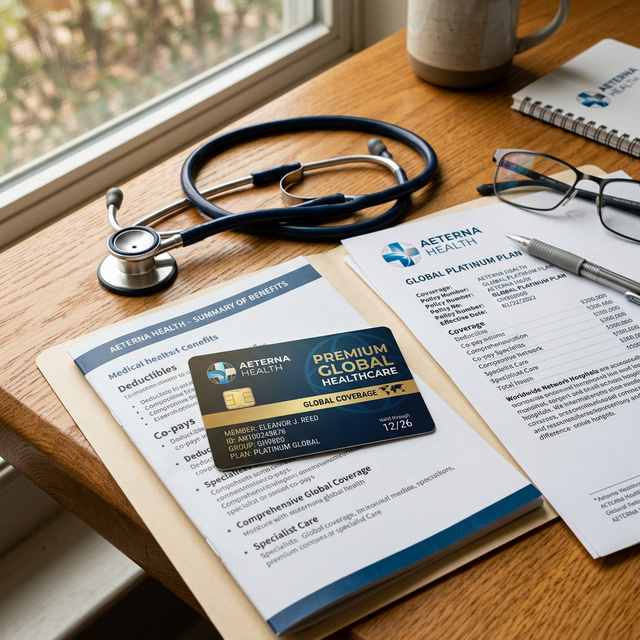
Moving to the Middle East to teach is one of the most rewarding career decisions you can make, but without the right health insurance, a single medical emergency could wipe out an entire year of savings. While most international schools in the UAE, Saudi Arabia, Qatar, and other Gulf states provide some level of employer-sponsored health coverage, the reality is that these plans often come with significant gaps that leave teachers exposed to financial risk.
In 2026, the cost of healthcare in the Middle East continues to rise. A routine hospital visit in Dubai can cost AED 500-1,500 ($136-$408), while a single night in a private hospital can exceed AED 5,000 ($1,360). Emergency surgery can run anywhere from AED 30,000 to AED 150,000 ($8,170-$40,850). Understanding your insurance options is not just advisable; it is essential.
This guide covers everything teachers need to know about health insurance abroad, from employer-provided plans to international private options, with specific pricing and plan comparisons for 2026.
Employer-Provided Health Insurance: What Schools Typically Offer
Most reputable international schools in the Middle East include health insurance as part of the teacher salary package. In the UAE, employer-provided health insurance is mandatory under federal law (Federal Law No. 11 of 2013 for Abu Dhabi; Dubai Health Insurance Law No. 11 of 2013). Saudi Arabia, Qatar, Kuwait, Bahrain, and Oman also require employers to provide basic medical coverage.
What Employer Plans Usually Cover
- Outpatient visits – GP and specialist consultations, typically with a co-pay of AED 20-50
- Inpatient hospitalization – surgical procedures, overnight stays, ICU
- Emergency treatment – accident and emergency room visits
- Prescription medication – usually with a 10-20% co-pay
- Diagnostic tests – blood work, X-rays, MRIs (often requiring pre-authorization)
- Maternity coverage – basic ante-natal and delivery (some plans only after 12 months)
Common Gaps in Employer Insurance
Even with a solid employer plan, teachers frequently discover gaps only when they need care most. The most common shortfalls include:
- Dental and vision – rarely included or covered only for emergencies
- Mental health – limited to 5-10 sessions per year or excluded entirely
- Pre-existing conditions – waiting periods of 6-12 months are standard
- Home country coverage – no coverage during summer breaks back home
- Repatriation and medical evacuation – not included in basic plans
- Alternative therapies – physiotherapy, chiropractic, and acupuncture often excluded
- Annual caps – some plans cap at AED 150,000-250,000 ($40,850-$68,080)
International Health Insurance Plans for Teachers in 2026
To fill gaps in employer coverage or to secure comprehensive protection, many teachers opt for international private health insurance. Below is a comparison of the best plans available for teachers in the Middle East in 2026.
| Provider | Monthly Cost | Annual Limit | Key Features | Best For |
|---|---|---|---|---|
| SafetyWing Nomad Insurance | $45-$83/month | $250,000 | No deductible for emergencies, covers 175+ countries, includes home visits | Budget-conscious single teachers |
| Cigna Global | $180-$350/month | $1,000,000+ | Extensive network, direct billing at hospitals, mental health included | Teachers with families, comprehensive needs |
| Allianz Care | $150-$300/month | $500,000-$2,000,000 | Flexible plans, dental and vision add-ons, wellness benefits | Teachers wanting customizable coverage |
| BUPA International | $200-$400/month | $1,500,000+ | Premium hospital network, maternity from day one, cancer cover | Teachers needing maternity or chronic condition cover |
| Aetna International | $160-$320/month | $750,000 | Strong US network if returning home, preventive care included | American teachers planning to return to the US |
Note: Prices are indicative for a single teacher aged 25-35 in the UAE. Costs increase with age, family dependents, and higher coverage levels.
SafetyWing: The Budget-Friendly Option for Teachers
SafetyWing has become increasingly popular among international teachers due to its affordable pricing starting at just $45 per month. The Nomad Insurance plan provides travel medical insurance that covers teachers in the Middle East and during trips home. Key benefits include:
- No deductible for in-patient treatment and emergencies
- $250 deductible for outpatient care
- Coverage in 175+ countries including UAE, Saudi Arabia, and Qatar
- Automatic monthly renewal with no long-term commitment
- COVID-19 coverage included
- Coverage for home visits up to 30 days per 90-day period
SafetyWing works best as supplementary insurance alongside employer-provided coverage, filling gaps during holidays, home visits, and travel. It is not a replacement for comprehensive local health insurance required by Gulf state employers.
What to Look for in a Health Insurance Policy
When evaluating health insurance options as a teacher abroad, prioritize these factors:
Coverage Territory
Ensure your plan covers your country of residence and your home country. Many teachers travel during school breaks and need worldwide coverage, or at minimum coverage in the GCC and their passport country.
Direct Billing vs. Reimbursement
Direct billing (also called cashless treatment) means the insurer pays the hospital directly. Reimbursement plans require you to pay upfront and claim back later, which can mean thousands of dirhams out of pocket. In the UAE and Saudi Arabia, direct billing networks are well established with major insurers.
Pre-Existing Conditions
If you have any ongoing health conditions, check the waiting period carefully. Most international plans impose a 12-24 month waiting period for pre-existing conditions. Some premium plans like BUPA International offer coverage from month six with a medical history disregarded (MHD) option at a higher premium, typically adding 20-40% to the monthly cost.
Mental Health Coverage
Teaching abroad can be isolating, and mental health support is critical. In 2026, awareness of teacher wellbeing has improved, and more plans now include outpatient psychiatry and psychology. Look for plans offering at least 20 sessions per year. Cigna Global and BUPA International lead in this area, with unlimited outpatient mental health on their premium tiers.
Dental and Vision
Dental care in the UAE is expensive. A single filling costs AED 300-800 ($82-$218), and a crown can cost AED 2,000-4,000 ($545-$1,090). Vision plans covering annual eye exams and glasses/contacts are worth the small additional premium. Most international plans offer dental and vision as optional add-ons for $30-$80 per month.
Pregnancy and Maternity Coverage

If you are planning to start a family while teaching abroad, maternity coverage deserves special attention. Key considerations include:
- Waiting period: Most plans require 10-12 months of continuous coverage before maternity benefits apply
- Normal delivery coverage: Typically AED 15,000-25,000 ($4,085-$6,808) in the UAE
- C-section coverage: AED 25,000-40,000 ($6,808-$10,893)
- Neonatal care: Check if newborn care is covered from birth or requires separate enrollment
- Ante-natal visits: Routine scans, blood tests, and consultant visits should be included
BUPA International and Cigna Global offer the most comprehensive maternity coverage, with BUPA providing maternity benefits from day one on their premium plans at an additional cost of approximately $100-$150 per month.
Emergency Medical Evacuation
While hospitals in Dubai, Abu Dhabi, and Riyadh are world-class, teachers in more remote locations (smaller emirates, rural Saudi Arabia, or outlying areas of Oman) should ensure their plan includes emergency medical evacuation. This covers air ambulance transfer to the nearest suitable hospital or repatriation to your home country. Without insurance, an air ambulance in the Gulf region costs $25,000-$100,000. Most international plans include this as standard, but verify the coverage limit, ideally $500,000 or more.
How to Choose the Right Plan: Step by Step
- Step 1: Review your employer’s insurance summary document and note all exclusions
- Step 2: List your personal health needs (medications, ongoing conditions, planned procedures)
- Step 3: Decide on your coverage territory (GCC only vs. worldwide)
- Step 4: Compare 3-4 plans using the criteria above
- Step 5: Get quotes (most providers offer instant online quotes)
- Step 6: Read the policy wording document, not just the summary
- Step 7: Check the provider’s hospital network in your specific city
Country-Specific Insurance Requirements

UAE
Health insurance is mandatory for all residents. Employers must provide a minimum level of coverage. In Abu Dhabi, the minimum plan (Thiqa for nationals, Daman for expats) is regulated by the Department of Health. In Dubai, the Dubai Health Authority sets minimum requirements. Teachers on UAE work visas will have insurance arranged as part of the visa process.
Saudi Arabia
The Council of Cooperative Health Insurance (CCHI) mandates employer-provided coverage. All expatriate workers must have insurance from a CCHI-approved provider. The minimum plan covers hospital and outpatient care with co-pays.
Qatar
Employer-provided insurance is mandatory. Qatar’s National Health Insurance Scheme covers basic care, and many schools supplement this with private plans from providers like Qatar Insurance Company or Allianz.
Frequently Asked Questions
Can I use my home country health insurance while teaching in the Middle East?
In most cases, no. UK NHS coverage does not extend abroad. US plans typically only cover emergencies abroad for short trips. Australian Medicare does not cover overseas residents. You will need either employer-provided insurance or an international plan. However, if you maintain a US plan like an ACA marketplace plan, it may cover you during summer visits home.
Is dental insurance worth it for teachers abroad?
Yes, especially if you anticipate needing any dental work. A routine cleaning in Dubai costs AED 300-500 ($82-$136), and a root canal can cost AED 2,000-5,000 ($545-$1,360). Dental add-on plans cost $30-$60 per month and typically cover two cleanings per year, fillings, and a portion of major procedures.
What happens to my insurance if I change schools mid-year?
Your employer-provided insurance will typically end when your employment contract terminates. There is usually a 30-day grace period. Your new employer should provide coverage from your start date. During any gap, your international private plan (if you have one) continues uninterrupted, which is one of the key advantages of having supplementary coverage.
Do I need insurance during the summer break if I leave the country?
Your employer plan usually remains active during contractual holiday periods. However, it may not cover treatment outside your country of residence. Plans like SafetyWing specifically cover teachers during home visits and travel, making them ideal as summer-break supplementary insurance.
How do I claim on my insurance in the Middle East?
For direct billing, present your insurance card at the hospital or clinic reception. The provider will verify your coverage and bill the insurer directly. For reimbursement claims, pay the bill, keep all receipts and medical reports, and submit a claim form within 60-90 days (varies by provider). Most insurers now have mobile apps for submitting claims with photos of receipts. Processing takes 5-15 business days.
Are vaccinations covered by health insurance in the Middle East?
Most employer plans cover mandatory vaccinations. Travel vaccinations (hepatitis A/B, typhoid, meningitis) may or may not be covered. International plans like Cigna Global and BUPA International include preventive care and vaccinations on their mid-tier and premium plans. Budget for AED 200-500 ($55-$136) per vaccination if paying out of pocket.
For more information on planning your move to the Middle East, see our settling in checklist and guide to teaching in the UAE.
