Quick Summary: For-Profit vs Non-Profit Schools
- For-Profit Examples: GEMS Education, SABIS, Taaleem, Nord Anglia Education
- Non-Profit Examples: American School of Doha, Doha College, ISG, embassy-sponsored schools
- Key Differences: Salary, workload, resources, teacher turnover, school culture
- Non-Profit Advantage: Generally higher salaries, better benefits, lower turnover
- For-Profit Advantage: More positions available, faster career progression, modern facilities
Introduction: Understanding the For-Profit vs Non-Profit Distinction
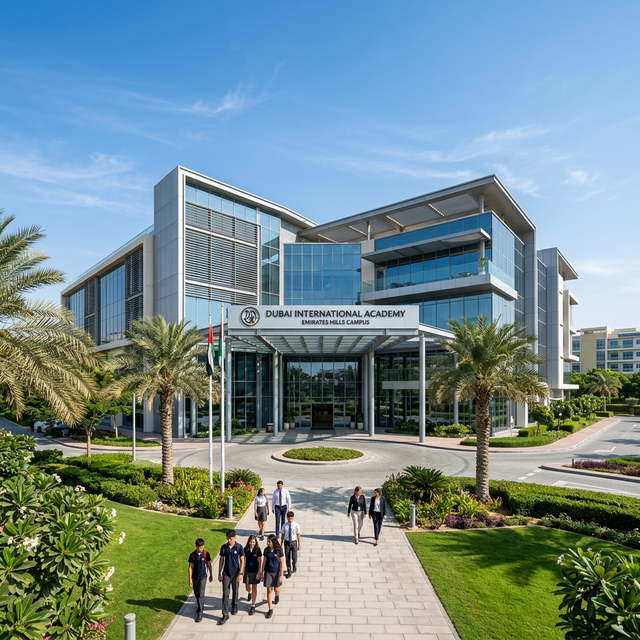
When evaluating international teaching opportunities in the Middle East, one of the most important but often overlooked factors is whether a school operates on a for-profit or non-profit basis. This fundamental structural difference can have a significant impact on teacher salary, benefits, workload, school culture, resources, and overall job satisfaction. Understanding the distinction between for-profit and non-profit international schools will help you make better-informed career decisions and set appropriate expectations for your teaching experience.
The Middle East international school market includes both for-profit school groups (which operate as commercial enterprises with shareholders and profit targets) and non-profit schools (which reinvest all revenue into the school). Both models can produce excellent schools, and neither is inherently superior. However, the differences between them are real and consequential, and being aware of these differences will help you evaluate job offers more effectively and find the school environment that best suits your professional priorities and personal values.
This guide provides a detailed comparison of for-profit and non-profit international schools in the Middle East, covering salary, culture, workload, resources, teacher turnover, and career development. It includes examples of each type of school and a decision framework to help you determine which model is the best fit for you.
What Are For-Profit International Schools?
For-profit international schools are owned and operated by commercial entities — companies, investment groups, or individual entrepreneurs — whose primary goal is to generate a financial return on their investment. These schools charge tuition fees to students and aim to operate with a surplus (profit) after covering all costs, including teacher salaries, facilities, and operational expenses. The profit is distributed to shareholders or reinvested in the business to fund expansion.
For-profit school groups in the Middle East include some of the largest and most recognisable names in international education. GEMS Education, with over 60 schools in the UAE, is one of the most prominent examples. Other for-profit operators include SABIS (a global network with extensive Gulf presence), Taaleem (Dubai-based), Nord Anglia Education (international), and ISP (International Schools Partnership). These groups typically operate multiple schools across different market segments, from budget schools to premium institutions.
For-profit schools vary enormously in quality. Some of the best schools in the Middle East are for-profit (such as GEMS Wellington International or Brighton College), while some of the most challenging working environments are also found in for-profit schools operating at the budget end of the market. The for-profit model itself does not determine quality — what matters is how the school is managed, how much of the revenue is reinvested in education, and how the school values and supports its teaching staff.
What Are Non-Profit International Schools?
Non-profit international schools are typically established by community organisations, embassies, foundations, or parent groups for the purpose of providing education to their community. Unlike for-profit schools, non-profit schools do not have shareholders and do not distribute profits. All revenue generated through tuition fees is reinvested in the school to improve facilities, reduce class sizes, enhance teacher compensation, or fund other educational initiatives.
Notable non-profit schools in the Middle East include the American School of Doha, Doha College, the International Schools Group (ISG) in Saudi Arabia, the American International School of Muscat, and various embassy-sponsored schools. Many of the most prestigious and sought-after international schools in the Gulf region operate on a non-profit basis.
Non-profit schools tend to have a more community-oriented governance structure, often with a board of directors or trustees drawn from the parent body or sponsoring organisation. This structure can lead to greater stability, a more teacher-centred culture, and decision-making that prioritises educational outcomes over financial performance.
Comparing For-Profit and Non-Profit Schools

Salary and Compensation
Non-profit schools generally offer higher salaries and more comprehensive benefits packages than for-profit schools at a comparable level. Because non-profit schools do not need to generate returns for shareholders, a larger proportion of tuition revenue can be directed towards teacher compensation. Schools like ISG, ASD, and Doha College are known for offering some of the most competitive packages in the Gulf region.
For-profit schools have a wider salary range. Premium for-profit schools (such as GEMS Wellington or Repton) may offer salaries that rival or even match non-profit schools. However, mid-tier and budget for-profit schools typically offer lower salaries, as operating margins and shareholder returns are factored into the cost structure. The GEMS salary breakdown illustrates this variation clearly, with salaries at premium GEMS schools being double or more those at value-tier GEMS schools.
Workload and Work-Life Balance
Non-profit schools tend to have more manageable workloads and a stronger emphasis on teacher well-being. Without the pressure to maximise revenue or demonstrate growth to investors, non-profit school leaders can make decisions that prioritise sustainable working practices. This often translates into lower contact hours, more planning and preparation time, smaller class sizes, and clearer boundaries around after-hours expectations.
For-profit schools, particularly those under pressure to maintain high inspection ratings or meet parent expectations, may place greater demands on teachers. Some for-profit schools have been criticised for large class sizes, excessive data reporting requirements, and expectations around marketing activities (such as open days and social media) that fall outside traditional teaching responsibilities. However, well-managed for-profit schools are increasingly recognising the importance of teacher well-being and are improving their workload policies to attract and retain quality staff.
Resources and Facilities
Both for-profit and non-profit schools can have excellent facilities, but the funding model can affect how resources are allocated. Non-profit schools reinvest all surplus into the school, which can result in consistently high-quality resources, well-maintained buildings, and up-to-date technology. For-profit schools, particularly premium ones, often invest heavily in facilities as a marketing tool to attract families and justify higher fees. Budget for-profit schools may have fewer resources, as the profit margin reduces the amount available for reinvestment.
Teacher Turnover
Teacher turnover is generally lower at non-profit schools. Higher salaries, better benefits, stronger community culture, and more sustainable workloads contribute to higher staff retention rates. Many non-profit schools have staff members who have been at the school for five, ten, or even twenty years, creating stability and continuity for students. For-profit schools, particularly at the lower and mid tiers, often experience higher turnover, which can disrupt student learning and create additional workload for remaining staff. Premium for-profit schools typically have lower turnover than their budget counterparts, but retention rates still tend to be below those of the best non-profit schools.
School Culture
Non-profit schools often have a more community-oriented, collegial culture. Decision-making tends to be more collaborative, and teachers report feeling more valued and respected. The absence of a profit motive can create an environment where educational considerations genuinely take precedence over commercial ones.
For-profit schools can have excellent cultures, particularly where the leadership team is strong and the ownership group is committed to educational quality. However, some teachers at for-profit schools report feeling that decisions are driven by financial considerations — such as maintaining enrolment numbers, managing the school’s public image, or meeting revenue targets — rather than by what is best for students and staff. This is not universal, and many for-profit school leaders work hard to balance commercial pressures with educational values.
Examples of Each Type in the Middle East
Notable For-Profit Schools
- GEMS Education — 60+ schools across the UAE, ranging from budget to premium
- SABIS — global network with schools across the Gulf region
- Repton School Dubai — premium British school operated by Evolvence Knowledge Investments
- Brighton College — premium British brand with UAE campuses
- Taaleem — Dubai-based group with growing school portfolio
Notable Non-Profit Schools
- American School of Doha — community-owned American/IB school
- Doha College — independent British school in Qatar
- International Schools Group (ISG) — Aramco-linked schools in Saudi Arabia
- American International School of Muscat — community school in Oman
- Various embassy-sponsored schools (e.g., British Embassy schools, American embassy schools)
Decision Framework: Which Is Right for You?
Neither for-profit nor non-profit is inherently better — the right choice depends on your priorities, career stage, and personal values. Use the following framework to guide your decision.
- Choose non-profit if: You prioritise salary and benefits, value community and stability, prefer a lower-turnover environment, are looking for a school where educational values clearly drive decision-making, and are willing to be patient in the recruitment process (non-profit positions are more competitive).
- Choose for-profit if: You value a wide range of available positions, want opportunities for rapid career progression, appreciate modern facilities and marketing-conscious environments, are early in your career and want to gain experience quickly, or are targeting a specific school brand that happens to be for-profit.
- Focus on the specific school: Regardless of profit model, always research the individual school. A well-run for-profit school can provide a better experience than a poorly managed non-profit school, and vice versa. Look at KHDA/ADEK ratings, teacher reviews, staff retention data, and interview with current staff if possible.
Frequently Asked Questions
Do non-profit schools always pay more than for-profit schools?
Generally, yes — non-profit schools tend to offer higher salaries and more comprehensive benefits than for-profit schools at a comparable level. However, this is not a universal rule. Some premium for-profit schools (such as GEMS Wellington International or Repton) offer salaries that are competitive with the best non-profit schools. The key factor is the school’s revenue, fee level, and how much of that revenue is allocated to teacher compensation versus other priorities.
Are for-profit schools lower quality than non-profit schools?
Absolutely not. Some of the best schools in the Middle East are for-profit. What matters is the quality of leadership, the level of investment in education, and the school’s commitment to high standards. Both for-profit and non-profit schools can be Outstanding or Poor — the profit model is just one factor among many that influence school quality.
How can I tell if a school is for-profit or non-profit?
This information is not always immediately obvious. Some indicators include the school’s governance structure (board of trustees vs. corporate ownership), whether it is part of a commercial school group (such as GEMS, SABIS, or Nord Anglia), and how it describes itself on its website (community school, independent school, or part of a commercial group). You can also ask directly during the interview process — any reputable school will be transparent about its ownership and governance structure.
Does the for-profit model affect teacher job security?
For-profit schools may be more susceptible to decisions driven by enrolment numbers and financial performance, which could theoretically affect staffing levels if enrolment declines. Non-profit schools with strong community support and stable enrolment may offer greater job security. However, both types of schools are subject to the same labour laws and contractual obligations, and the vast majority of teachers at both for-profit and non-profit schools have stable, secure employment throughout their contract period.
Which type of school is better for career development?
Both models offer career development opportunities, but in different ways. For-profit school groups (like GEMS) offer internal mobility across large networks, allowing teachers to progress from classroom teacher to middle leader to senior leader across multiple schools. Non-profit schools may offer fewer positions overall but can provide deeper professional development, stronger mentoring, and a more supportive environment for career growth. The best approach is to evaluate the specific CPD and progression opportunities at the school you are considering, rather than making assumptions based on the ownership model.
Should I avoid for-profit schools entirely?
No. Many excellent teachers build rewarding careers at for-profit schools. The important thing is to research the specific school, not just the ownership model. Ask about salary, benefits, workload, class sizes, CPD, and teacher turnover during the interview process. Read teacher reviews (while recognising that reviews can be biased), and try to connect with current or former staff for an honest assessment. A well-run for-profit school can be an outstanding place to teach, just as a poorly managed non-profit school can be a difficult working environment.
