Why teach in Bahrain in 2026?
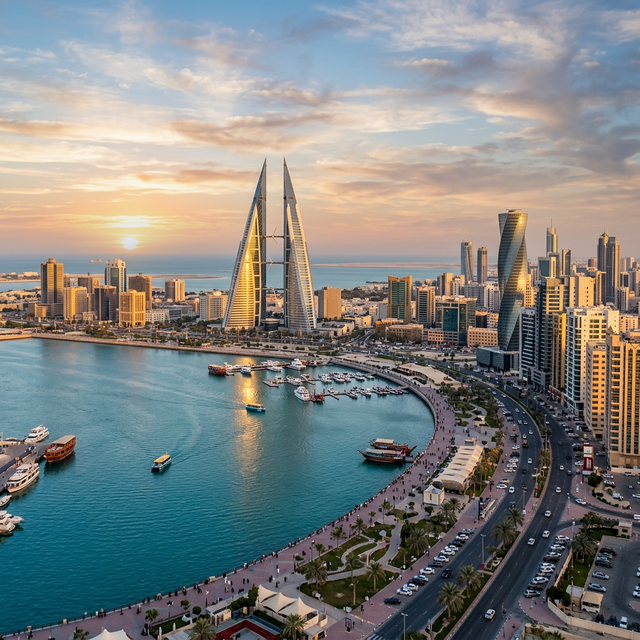
Bahrain employs approximately 6,800 international teachers across 267 private schools, educating over 148,000 students on an archipelago of 33 islands spanning just 786 km² — making it the smallest but arguably the most socially liberal country in the GCC. The Kingdom’s compact size means everything in Bahrain is within a 30-minute drive, creating a lifestyle convenience unmatched in the region.
Bahrain is often called the “gateway to the Gulf” due to its longstanding openness to international visitors, relaxed social norms, and established expatriate community (55% of Bahrain’s 1.5 million population is non-Bahraini). Alcohol is widely available in licensed restaurants, bars, and retail shops. Live music venues, a Formula 1 Grand Prix circuit, and a vibrant café culture give Bahrain a distinctly Mediterranean social atmosphere rare in the Gulf.
The King Fahd Causeway connects Bahrain to Saudi Arabia’s Eastern Province (25 km, 30-minute drive), giving teachers access to a second country’s amenities. Bahrain’s Economic Vision 2030 has invested BHD 980 million into education, including new British, American, and IB school openings that created 850 additional teaching positions between 2023 and 2025.
How much do international teachers earn in Bahrain in 2026?
International teachers in Bahrain earn BHD 600–1,500 per month (USD $1,590–$3,980) tax-free, with senior leaders earning BHD 1,600–2,500. While base salaries are the lowest in the GCC, Bahrain’s significantly lower rent and cost of living — approximately 30% cheaper than Dubai and 15% cheaper than Muscat — create competitive net savings for teachers managing budgets carefully.
Salary ranges by school tier
| School Tier | NQT (BHD/month) | Mid-career (BHD/month) | Senior Leader (BHD/month) |
|---|---|---|---|
| Tier 1 Premium International | 750–950 | 1,100–1,500 | 1,600–2,500 |
| Tier 2 Established International | 600–800 | 850–1,200 | 1,200–1,800 |
| Tier 3 Community/Newer | 500–700 | 700–1,000 | 1,000–1,400 |
| Ministry Contract | 700–900 | 900–1,300 | 1,300–1,700 |
Bahrain packages typically include housing allowances of BHD 200–450/month (rather than furnished accommodation), annual return flights, medical insurance, and end-of-service indemnity. Teachers considering Bahrain should evaluate total package value relative to cost of living rather than comparing base salary to UAE figures. The real savings differential is smaller than headline numbers suggest. Compare all 6 GCC salary structures in our Middle East teacher salary guide.
What qualifications do you need to teach in Bahrain?
Bahrain’s Ministry of Education requires a bachelor’s degree, a recognized teaching qualification (PGCE, QTS, B.Ed, or state license), and typically 2 years’ post-qualification experience. Bahrain has one of the most streamlined attestation processes in the GCC: degrees need authentication by the home country’s Ministry of Foreign Affairs and then Bahrain Embassy attestation — typically completed in 2–3 weeks at a cost of BHD 25–50.
Bahrain’s most significant growth area is bilingual education, with 45 bilingual schools combining Arabic and English instruction. Teachers with TEFL certification find more opportunities here than in other GCC countries, particularly in language institutes and bilingual school ESL departments. However, fully qualified teachers (PGCE/QTS) remain preferred for mainstream positions. See our complete qualifications guide.
What visa and work permit do teachers need for Bahrain?
Teachers need a work visa and CPR (Central Population Registration) card sponsored by their employing school. Bahrain’s Labour Market Regulatory Authority (LMRA) processes work permits in 5–10 working days — the fastest in the GCC. The school handles costs and paperwork, including a medical fitness test (BHD 15) and CPR biometrics registration.
Bahrain’s Flexi Permit system (introduced 2017) and Golden Residency Visa (2022) have modernized immigration. Teachers earning above BHD 800/month can sponsor dependents. Bahrain uniquely allows expatriates to own freehold property in designated areas (Amwaj Islands, Durrat Al Bahrain, Juffair), making it the only GCC country where teachers can invest in real estate with full ownership rights.
Which are the top international schools in Bahrain?
Bahrain’s 267 private schools include several institutions with 40+ year histories and strong regional reputations.
St Christopher’s School — Founded in 1961, Bahrain’s oldest and most prestigious British school. 2,200 students, COBIS member, offering EYFS through A-Levels. Strong staff retention (average 7.2 years) and competitive packages including housing allowance and annual flight.
The British School of Bahrain (BSB) — Part of Inspired Education Group (global network of 80+ schools). Modern campus in Hamala with outstanding facilities including 50-meter pool, full-size football pitch, and performing arts theatre. IGCSE and A-Level programs for 2,800 students.
ACS International School Bahrain — Part of the ACS network (also in Doha and London). American and IB curriculum with AP and IB Diploma options. Progressive, inquiry-based approach with notable emphasis on innovation and sustainability.
Bahrain Bayan School — Established bilingual school serving 2,000+ students with a unique dual-language (Arabic-English) program. Offers strong packages and is accredited by both the Bahrain Ministry of Education and NEASC.
SABIS® International School Bahrain — Part of the SABIS® global network utilizing the structured SABIS® Educational System. Data-driven approach through AMS monitoring, with strong support for newer teachers. Explore SABIS career paths.
ISB – International School of Bahrain (formerly the Bahrain School) — American diploma and AP programs, historically serving the US military and diplomatic community but now open to all nationalities. Small class sizes averaging 18 students.
What is the hiring season for teaching jobs in Bahrain?
Bahrain’s primary recruitment window runs from November to February, with the academic year starting in September. Approximately 900–1,400 international positions open annually. The smaller market means vacancies fill quickly — teachers should apply within the first week of a posting appearing. Bahrain’s proximity to Saudi Arabia means some teachers hold Saudi contracts while living in Bahrain, commuting across the King Fahd Causeway daily (a 45-minute commute).
Unlike larger GCC markets, Bahrain schools more frequently hire mid-year (January start) due to the smaller talent pool and higher mid-year turnover. This creates opportunities for teachers unable to relocate in August. Review our application timing guide for country-specific strategies.
How much does it cost to live in Bahrain as a teacher?
Bahrain is the most affordable GCC country for overall living costs. A single teacher spends BHD 250–450 per month (USD $663–$1,194) on non-housing expenses. Rent for a furnished one-bedroom apartment in Juffair, Adliya, or Seef ranges from BHD 200–400/month — less than half the equivalent in Dubai. A comprehensive groceries run at Lulu Hypermarket costs BHD 40–70 weekly, restaurant meals average BHD 3–6 at casual venues, and a monthly gym membership runs BHD 15–30.
Alcohol, which is restricted or unavailable in most GCC countries, is competitively priced in Bahrain: a restaurant beer costs BHD 2–4, and bottle shops sell wine from BHD 5. This social flexibility, combined with low living costs, means teachers in Bahrain can enjoy an active social life while still saving 35–55% of their salary on a mid-career package.
What are the best areas for teachers in Bahrain?
Juffair — Bahrain’s expatriate hub with the highest concentration of restaurants, bars, and international amenities. Furnished apartments from BHD 250–400. Walking distance to Amwaj Islands and the Bahrain National Museum. Lively nightlife scene.
Adliya — Bahrain’s artsy district with galleries, independent cafés, and boutique restaurants. Quieter than Juffair with a more local feel. Apartments from BHD 200–350. Home to Block 338, Bahrain’s premier art and culture precinct.
Seef — Modern commercial district near City Centre Bahrain mall and Seef Mall. Family-friendly with good transport links. Apartments from BHD 250–400. Close to the King Fahd Causeway for Saudi weekend trips.
Amwaj Islands — Waterfront development with marina, beach clubs, and freehold property options. Premium rents of BHD 350–550 but resort-style living. Popular with couples and outdoor enthusiasts who enjoy paddleboarding, kayaking, and beach activities year-round.
Frequently asked questions about teaching in Bahrain
Is Bahrain the most social GCC country for teachers?
Yes. Bahrain’s relaxed social norms, widespread alcohol availability, live entertainment scene, and compact geography create the most active social life in the Gulf. The Formula 1 Bahrain Grand Prix (March), Spring of Culture festival, and year-round concert calendar at Bahrain Bay and the National Theatre complement a dining scene with over 2,500 restaurants for a population of 1.5 million.
Can I use Bahrain as a base to explore the region?
Bahrain is strategically positioned for regional travel. Saudi Arabia is a 30-minute drive across the King Fahd Causeway. Gulf Air and other carriers connect Bahrain to Dubai (1 hour), Muscat (1.5 hours), Doha (45 minutes), and major European/Asian cities at competitive fares. Teachers report spending 15–20 weekends per year exploring the wider GCC region from their Bahrain base.
How does Bahrain compare to Dubai for teachers?
Bahrain offers lower salaries but proportionally lower costs, creating similar net savings for budget-conscious teachers. The lifestyle advantages are significant: more relaxed social environment, freehold property options, smaller community feel, and less traffic. Dubai offers higher earning potential, more school choice, and flashier amenities. Teachers often start in the UAE for career building and transition to Bahrain for lifestyle quality. Compare in detail: teaching in the UAE vs Bahrain.
Bahrain is the GCC’s best-kept secret for teachers who prioritize lifestyle balance, social freedom, and community belonging over maximising salary figures. Its island charm, affordable living, and welcoming culture create a teaching experience that many educators describe as their most enjoyable posting.
Compare all GCC destinations: UAE | Saudi Arabia | Qatar | Kuwait | Oman | Or read our best country to teach in the Middle East comparison.
