Why teach in Saudi Arabia in 2026?
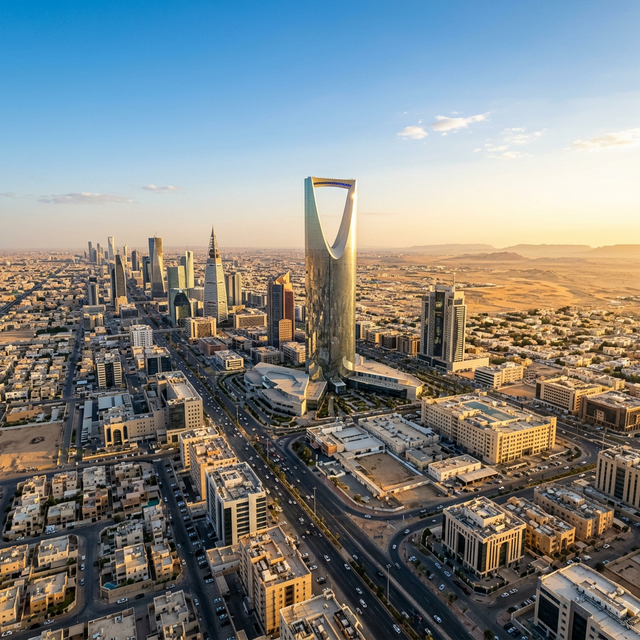
Saudi Arabia employs over 42,000 international teachers across 1,426 private schools, educating more than 1.3 million students in a rapidly modernizing education system fueled by Vision 2030. The Kingdom is investing SAR 193 billion (USD $51.5 billion) into its education sector through 2030, making it the fastest-growing teaching destination in the Middle East with a projected 8,500 new international teaching roles created between 2025 and 2028.
Vision 2030 has fundamentally transformed the Kingdom. Since 2019, cinemas (372 screens opened), concerts, mixed-gender events, and entertainment venues (MDLBEAST, Riyadh Season) have arrived. Women drive freely, dress codes have relaxed in major cities, and tourist visas allow easy regional travel. The Quality of Life program has invested SAR 130 billion in cultural and entertainment infrastructure, transforming cities like Riyadh and Jeddah into destinations with world-class dining, sports events, and international festivals.
For teachers focused on financial goals, Saudi Arabia is unmatched. The combination of zero income tax, lower cost of living than the UAE, employer-provided compound housing, and fewer lifestyle distractions enables savings rates of 60–75% of total income — the highest in the GCC region.
How much do international teachers earn in Saudi Arabia in 2026?
International teachers in Saudi Arabia earn SAR 9,000–22,000 per month (USD $2,400–$5,865) tax-free, with total package values including housing and flights reaching SAR 280,000–420,000 annually. Compound-based schools typically offer the most comprehensive packages, while city-based international schools provide higher base salaries with partial allowances.
Salary comparison by school type
| School Type | NQT (SAR/month) | Experienced (SAR/month) | Senior Leader (SAR/month) | Package Notes |
|---|---|---|---|---|
| International school (Riyadh/Jeddah) | 9,000–12,000 | 14,000–20,000 | 20,000–30,000 | Housing allowance, partial flights |
| Compound school (Aramco/SABIC) | 11,000–14,000 | 15,000–22,000 | 22,000–32,000 | Full compound, school, medical, flights |
| Ministry/public contract | 10,000–13,000 | 13,000–17,000 | 17,000–23,000 | Furnished housing, return flights |
| SABIS schools | 9,500–12,000 | 12,000–16,000 | 16,000–22,000 | Accommodation, structured CPD |
Compound schools — particularly Saudi Aramco Schools (7 campuses, 5,200 students) and SABIC-affiliated schools — offer the most generous total packages, including free compound housing worth SAR 80,000–140,000 annually, free schooling for dependents, utility coverage, and recreation facilities. These positions are highly competitive, with typical wait lists of 6–12 months. Compare all GCC salaries in our comprehensive Middle East teacher salary guide.
What qualifications do you need to teach in Saudi Arabia?
Saudi Arabia requires a bachelor’s degree from an accredited university, a recognized teaching qualification (PGCE, QTS, B.Ed, or equivalent state license), and a minimum of 2 years’ post-qualification experience. The Saudi Ministry of Education has tightened credential verification since 2023, requiring degree attestation through the Saudi Cultural Attaché and the DataFlow verification process.
The DataFlow Primary Source Verification (PSV) is mandatory and takes 15–25 working days. Schools typically initiate this process and cover the SAR 1,500–2,500 cost. The verification confirms degree authenticity directly with the issuing university. Teachers should prepare notarized copies of their degree, teaching certificate, and police clearance certificate before applying.
British PGCE and QTS holders are in highest demand for the 280+ British-curriculum schools. American license holders find opportunities at the 120+ American-curriculum campuses. The Kingdom also has 85+ IB World Schools. TEFL-only qualifications are generally insufficient for mainstream teaching roles but may be accepted for dedicated ESL positions in language institutes. See our full qualifications and hiring guide for credential requirements by country.
What visa and work permit do teachers need for Saudi Arabia?
International teachers require an employment visa (iqama) sponsored by their school or educational institution, typically valid for 1–2 years and renewable with the employment contract. The school manages the entire process including visa block allocation, medical examination, and iqama issuance at no cost to the teacher.
The visa timeline: (1) contract signed, (2) school obtains visa block number from the Ministry of Labor (2–4 weeks), (3) visa issued at Saudi Embassy in teacher’s home country (1–2 weeks), (4) arrival and medical fitness test (48 hours), (5) iqama (residency permit) issued within 90 days of entry. Teachers must carry their iqama at all times as it functions as the primary identification document.
Saudi Arabia introduced the Premium Residency visa in 2019, available to high-earning professionals. While primarily targeting business executives, some senior education leaders earning above SAR 30,000/month have qualified. The standard teacher employment visa restricts employment to the sponsoring school, though transfer between employers became easier with the 2021 labor reform allowing contract completion transfers.
Which are the top international schools in Saudi Arabia?
Saudi Arabia operates 1,426 private schools, with the highest concentration in Riyadh (520 schools), Jeddah (310 schools), and the Eastern Province (180 schools). Six school networks employ the majority of international teachers and offer the most structured career pathways.
Saudi Aramco Schools — The gold standard for teaching in Saudi Arabia. 7 campuses across the Eastern Province (Dhahran, Ras Tanura, Abqaiq) educating 5,200 students of Aramco employees. Packages include compound housing, world-class recreational facilities including golf courses, pools, and cinemas within the compound, making these among the most sought-after positions in the Middle East.
SABIS® International Schools — Operating multiple campuses in Riyadh and Jeddah with the SABIS® Educational System. Known for structured pedagogy, data-driven student assessment through the SABIS® AMS system, and comprehensive new-teacher induction programs. Especially suitable for early-career teachers seeking mentorship and structured classroom environments. Discover more about the SABIS teaching methodology.
British International School (BIS) campuses in Riyadh, Jeddah, Al Khobar, and Jubail follow the English National Curriculum through to A-Levels. American International School (AIS) campuses offer AP and US diploma programs. International Schools Group (ISG) operates the largest IB continuum programs in the Eastern Province.
What is the hiring season for teaching jobs in Saudi Arabia?
The primary recruitment period for Saudi Arabia runs from November to March, with positions starting in August or September. Saudi schools typically begin advertising 8–10 months before the start date due to the extended visa processing timeline. The Kingdom’s academic calendar runs September through June, with Ramadan scheduling adjustments that vary annually based on the lunar calendar.
Compound schools (Aramco, SABIC) often recruit 12–18 months in advance due to high demand and comprehensive onboarding requirements. City-based international schools follow tighter timelines similar to the UAE market. A secondary recruitment window in May–July fills late vacancies, and these positions may offer expedited visa processing. Check our best time to apply for Middle East teaching positions for strategic timing advice.
How much does it cost to live in Saudi Arabia as a teacher?
A single international teacher in Saudi Arabia spends SAR 2,500–5,000 per month on living costs (excluding rent, which is employer-provided in most packages). This makes Saudi Arabia 35–45% cheaper than the UAE for day-to-day expenses, with groceries (SAR 800–1,200), transportation (SAR 300–800), dining (SAR 500–1,200), and utilities (SAR 200–400) all significantly lower.
Compound living reduces costs further, as many compounds include utilities, internet, gym access, and recreational facilities in the housing package. Teachers on compound-based contracts report total monthly expenses of SAR 1,500–3,000, enabling savings of SAR 8,000–15,000 per month. For budget-conscious teachers, Saudi Arabia offers the best savings-to-income ratio in the GCC — see how much teachers save in Saudi Arabia.
Riyadh’s cost of living has risen 12% since 2022 as international amenities have expanded, but remains significantly below Dubai. Jeddah is approximately 8% cheaper than Riyadh. Eastern Province cities (Dammam, Al Khobar, Dhahran) are 15% cheaper than Riyadh but offer fewer entertainment options — unless you’re on an Aramco compound, which has self-contained facilities rivaling any city.
What are the best cities for teachers in Saudi Arabia?
Saudi Arabia’s major teaching hubs each offer distinct experiences, from cosmopolitan Riyadh to coastal Jeddah to the tight-knit compound communities of the Eastern Province.
Riyadh
The capital employs approximately 18,000 international teachers across 520 private schools. Riyadh has transformed rapidly under Vision 2030, with projects like Diriyah Gate (a UNESCO-adjacent cultural district), the Riyadh Metro (6 lines, 85 stations, operational 2025), and Boulevard Riyadh City creating a modern urban landscape. Teacher-popular neighborhoods include Al Olaya, Al Malqa, and the Diplomatic Quarter, with rents of SAR 2,000–5,000 for a one-bedroom apartment. Learn more about teaching in Riyadh.
Jeddah
Saudi Arabia’s “gateway to Mecca” and most cosmopolitan city, Jeddah hosts 310 private schools with a more relaxed social atmosphere. The Corniche waterfront, Al-Balad historical district (UNESCO World Heritage), and NEOM proximity (500 km north) give Jeddah a distinct identity. Cost of living runs SAR 2,000–4,500 for apartments in desirable areas like Al Hamra and Al Rawdah. Explore teaching in Jeddah.
Eastern Province
Home to Aramco’s headquarters and the tri-city area of Dammam–Al Khobar–Dhahran, the Eastern Province has 180 private schools and the most generous compound-based packages. The Island of Bahrain is a 30-minute drive across the King Fahd Causeway, providing weekend entertainment options. The Beach, Half Moon Bay, and access to diving sites in the Arabian Gulf complement the more residential lifestyle.
Frequently asked questions about teaching in Saudi Arabia
Is Saudi Arabia safe for international teachers?
Saudi Arabia reports very low crime rates, with personal safety for expatriates ranked positively. The government maintains strict law enforcement, and international school compounds offer additional security with gated access. The lifestyle restrictions that historically deterred some teachers have eased significantly since 2019, with entertainment, dining, and travel options expanding year over year.
Can female teachers work in Saudi Arabia?
Yes. Female international teachers work across all major school networks in Saudi Arabia. Since 2019, women can drive, attend public events, and travel without a male guardian’s permission. Gender-segregated teaching environments still exist in some Saudi national curriculum schools, but international schools operate mixed-gender classrooms and staffrooms. Female teachers represent approximately 53% of the international teaching workforce in the Kingdom.
What is Ramadan like for teachers in Saudi Arabia?
During Ramadan (approximately 30 days, shifting annually by lunar calendar), school hours typically reduce by 1–2 hours per day. Non-Muslim teachers are not required to fast but must refrain from eating, drinking, and smoking in public during daylight hours. Many teachers use the reduced schedule and reflective atmosphere as an opportunity for professional development and travel planning. Restaurants operate during daylight for takeaway and resume dine-in service after sunset (iftar).
How do I transfer to Saudi Arabia from another GCC country?
Teachers currently working in the UAE, Qatar, or other GCC countries can transfer to Saudi positions. The process requires a new visa and DataFlow verification, as Saudi-specific attestation does not carry over from other GCC states. However, experience in the GCC is highly valued by Saudi recruiters and may accelerate the hiring process. Compare options across all GCC countries: UAE, Qatar, Kuwait, Oman, Bahrain.
Saudi Arabia offers the strongest savings potential of any teaching destination in the Middle East, combined with a rapidly modernizing social landscape. Whether you’re drawn by the financial opportunity, the cultural experience, or the chance to participate in one of the world’s most ambitious national transformation programs, the Kingdom’s education sector is expanding faster than any other in the region.
Currently hiring: Browse open teaching positions in Riyadh → | Browse positions in Jeddah →
More Teach in saudi arabia Guides
- Teaching in Dammam & Al Khobar: Eastern Province Guide 2026
- How to Get a Teaching Job in Saudi Arabia: 2026 Guide
- Female Teachers in Saudi Arabia: What to Expect in 2026
- Saudi Vision 2030 & Education: What Teachers Need to Know
- NEOM Teaching Jobs: The Future of Education in Saudi Arabia
- American Teachers in Saudi Arabia: US Expat Guide 2026
