What is it really like for female teachers in Saudi Arabia in 2026?
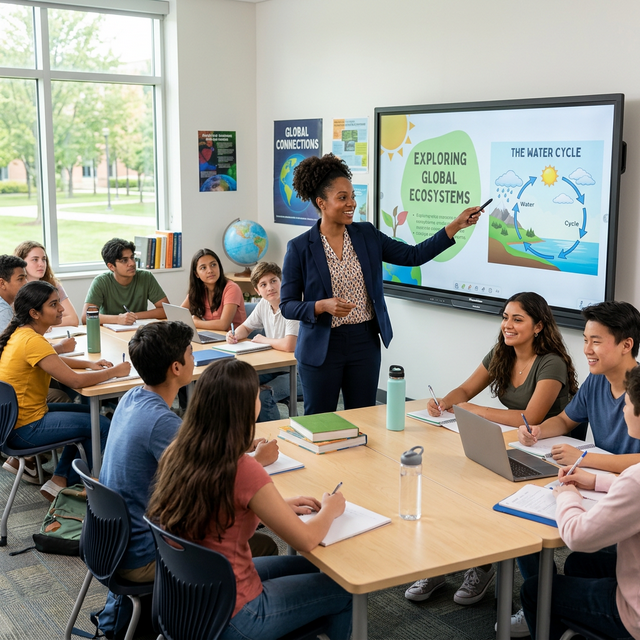
Saudi Arabia has undergone the most dramatic social transformation of any country in recent history. Since 2017, female residents can: drive independently (2018), attend sports events (2018), travel without male guardian permission (2019), live independently without family consent (2019), and access the same entertainment venues as men. For female teachers, this means a Saudi posting in 2026 bears little resemblance to the experience even 5 years ago.
Approximately 48% of international teachers in Saudi Arabia are female, with that percentage growing annually as social reforms continue. Female teachers in Riyadh, Jeddah, and the Eastern Province report high satisfaction with work-life balance, savings potential, and personal safety. The key considerations are dress code, compound living dynamics, and social life — all of which this guide covers honestly. Return to Saudi Arabia teaching guide.
What is the dress code for female teachers in Saudi Arabia?
The abaya (full-length black robe) is no longer legally required in public as of Crown Prince Mohammed bin Salman’s 2019 decree. However, modest dress is expected in public spaces: covering shoulders, knees, and avoiding low necklines. In practice, most female teachers wear: professional Western clothing at school (same as any international school globally), casual modest clothing for shopping and dining out, and whatever they choose within residential compounds.
At school, the dress code is typically set by the school itself — most international schools follow their global dress policy (professional, conservative, no different from a UK or US school). Some schools with higher Saudi parent populations request slightly more conservative dress (covering elbows, no bare legs). This is always clarified during the hiring process.
How does compound living benefit female teachers?
Within compound walls, there are no dress restrictions, no social norms to observe, and complete freedom of activity. Compounds offer: mixed swimming pools, gyms, social clubs, dining venues, and community events. Many female teachers describe compound life as “living in a small Western town inside Saudi Arabia” — the contrast between compound freedom and (increasingly relaxed) public norms provides psychological comfort during adjustment.
Female teachers living independently (outside compounds, in Saudi apartment buildings) are increasingly common in Riyadh and Jeddah. This is a post-2019 development and reflects the real change — single women can now rent independently, receive deliveries, use ride-hailing services freely, and manage their own affairs without a male intermediary.
What social life is available for female teachers?
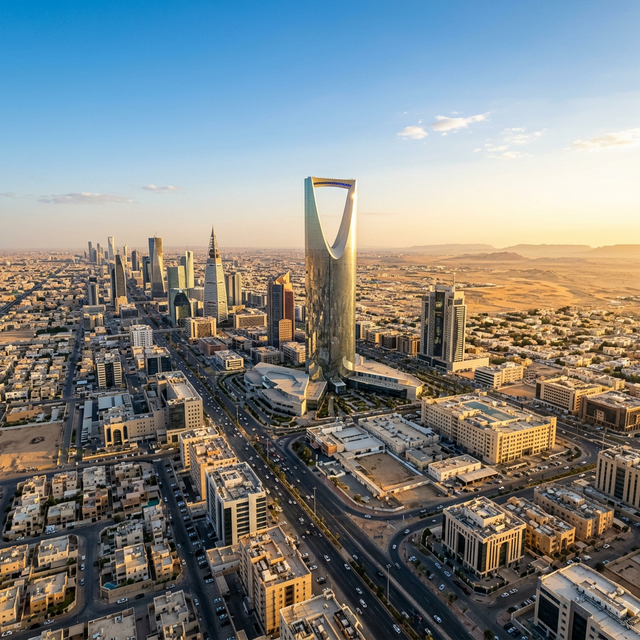
Saudi Arabia’s entertainment revolution has dramatically expanded options: Riyadh Season (October–March) hosts international music acts, comedy shows, and cultural events. Women-only fitness studios and sports facilities have expanded rapidly (over 400 licensed in Riyadh alone). Coffee shops, restaurants, and malls are fully accessible. The teacher community organizes hiking excursions, desert camping trips, beach outings (in Jeddah), and weekend trips to Bahrain (from the Eastern Province).
The main social limitation remains the absence of alcohol. Teachers who consider social drinking central to their lifestyle should carefully evaluate whether Saudi Arabia suits them — or consider the Eastern Province, where weekend Bahrain trips provide access to licensed venues.
What rights and protections do female teachers have?
Female teachers in Saudi Arabia have the same employment rights as male teachers: equal salary (no gender pay gap in international schools), equal contract terms, independent bank accounts, and sponsorship in their own name (since 2021 reforms). Schools provide medical insurance covering gender-specific needs, and Saudi healthcare includes excellent obstetric and gynecological services.
In case of workplace issues, the Ministry of Human Resources and Social Development operates a complaint portal for expatriates. International schools are also subject to their accreditation body’s (COBIS, CIS, NEASC) employment standards, providing an additional complaint route.
Frequently asked questions
Can I travel independently within Saudi Arabia as a female teacher?
Yes, completely. Women can drive rental cars, book domestic flights, stay in hotels independently, and travel throughout the Kingdom without restriction. Weekend road trips to the Al Ula UNESCO site, Jeddah’s Red Sea coast, and the Asir mountains are popular among female teachers.
Should I bring my partner to Saudi Arabia?
Married partners can be sponsored as dependents. Unmarried partners cannot be sponsored on a dependent visa, and cohabitation outside marriage remains legally prohibited. Unmarried couples typically work for different schools in the same city — each on their own iqama. This is a common arrangement that works practically but requires separate housing.
