How much does it cost to live in Dubai as a teacher in 2026?

A single international teacher in Dubai spends AED 5,000–8,000 per month on non-housing expenses, with total monthly costs (including rent if not employer-provided) of AED 8,500–16,000. Teachers on full packages with provided housing report total personal spending of AED 4,000–7,000 per month, enabling savings of AED 6,000–14,000 monthly depending on lifestyle choices and salary level.
Dubai’s cost of living has increased 8.3% since 2023 according to the Dubai Statistics Center, driven primarily by rent inflation (+14%) and dining cost increases (+6%). However, supermarket prices have remained relatively stable (+2.1%) and fuel costs have decreased (-3%). For teachers on housing allowances, the rising rental market is the single biggest cost pressure. Return to our UAE teaching guide for salary context.
What is the monthly expense breakdown for teachers in Dubai?
| Category | Budget-Conscious (AED/month) | Comfortable (AED/month) | Premium (AED/month) |
|---|---|---|---|
| Rent (1-bed furnished) | 3,500 (JVC/Sports City) | 5,500 (Al Barsha/Mirdif) | 8,000 (Marina/Downtown) |
| Groceries & household | 1,200 | 1,800 | 2,500 |
| Dining out | 600 | 1,200 | 2,500 |
| Transportation | 400 (Metro/bus) | 1,200 (car + fuel) | 1,800 (car + parking) |
| Utilities (DEWA + internet) | 500 | 650 | 800 |
| Mobile phone | 150 | 250 | 400 |
| Gym/fitness | 200 | 350 | 600 |
| Entertainment/leisure | 500 | 1,200 | 2,500 |
| Personal care/clothing | 300 | 500 | 1,000 |
| Total (excl. rent) | 3,850 | 7,150 | 12,100 |
| Total (incl. rent) | 7,350 | 12,650 | 20,100 |
How much can teachers realistically save in Dubai?
Teachers on full packages (housing provided) with mid-career salaries of AED 15,000–18,000/month can save AED 8,000–12,000 monthly (53–67% savings rate) on a comfortable lifestyle. Over a 2-year contract, this translates to AED 192,000–288,000 (USD $52,000–$78,500) in savings — enough to clear student loans, fund a house deposit, or build significant investment portfolio.
Three realistic savings scenarios
| Scenario | Monthly Salary | Housing | Monthly Spend | Monthly Savings | 2-Year Total |
|---|---|---|---|---|---|
| NQT Saver | AED 12,000 | Provided | AED 4,500 | AED 7,500 (63%) | AED 180,000 |
| Mid-Career Comfortable | AED 17,000 | AED 6,000 allowance | AED 10,500 | AED 6,500 (38%) | AED 156,000 |
| Senior Teacher Premium | AED 22,000 | Provided | AED 8,000 | AED 14,000 (64%) | AED 336,000 |
Additional income streams: end-of-service gratuity (21 days salary/year = AED 8,400–15,400 per year), summer tutoring (AED 150–300/hour), and curriculum development consulting. See our detailed Dubai savings calculator.
What are the biggest cost traps for new teachers in Dubai?
New arrivals commonly overspend in 5 areas during their first 3 months: (1) paying annual rent upfront without negotiating (always ask for quarterly or monthly cheques — now available at most buildings for a 5–10% premium), (2) furnishing from scratch at Dubai’s premium furniture stores (use Dubizzle marketplace for quality second-hand items at 40–60% off), (3) dining out daily during orientation (meal prep using grocery delivery from Carrefour or InstaShop saves AED 1,500+/month), (4) choosing a premium gym without using the school’s free facilities, (5) underestimating DEWA (utilities) deposits (AED 2,000 for apartments, AED 4,000 for villas — refundable on departure).
How do grocery costs compare in Dubai?
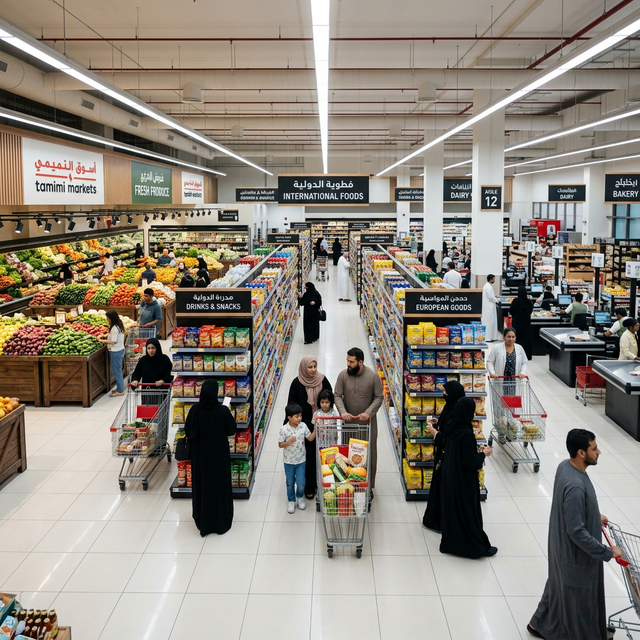
Weekly grocery costs for a single teacher: AED 250–400 at mid-range supermarkets. Key price points: 1 liter milk AED 6–8, bread loaf AED 4–7, 1 kg chicken breast AED 20–30, dozen eggs AED 8–12, 1 kg rice AED 5–10, bottled water 1.5L AED 1.5–3. Budget supermarkets (Viva, Union Coop, Nesto) are 20–30% cheaper than Spinneys and Waitrose. Carrefour at Mall of the Emirates offers the best mid-range value with frequent promotions.
How does Dubai compare to other GCC cities for teacher costs?

| City | Monthly non-housing costs | 1-bed rent (furnished) | Relative to Dubai |
|---|---|---|---|
| Dubai | AED 5,000–8,000 | AED 3,500–8,000 | Baseline |
| Abu Dhabi | AED 4,500–7,000 | AED 3,000–7,000 | 10–15% cheaper |
| Doha | QAR 3,500–6,500 | QAR 3,500–6,000 | 5–10% cheaper |
| Riyadh | SAR 2,500–5,000 | SAR 2,000–5,000 | 35–45% cheaper |
| Muscat | OMR 200–400 | OMR 250–400 | 30–40% cheaper |
| Manama | BHD 250–450 | BHD 200–400 | 30–40% cheaper |
Teachers focused on maximizing savings should compare Dubai’s higher salary with the lower costs in Saudi Arabia or Oman — net savings can be similar despite headline salary differences.
Frequently asked questions
Should I negotiate housing allowance or accommodation?
Furnished accommodation is generally better value — schools negotiate corporate rates 20–30% below market, and you avoid upfront costs (deposit, furnishing, DEWA connection). However, a cash allowance provides flexibility to choose your neighborhood and share accommodation. Teachers who share a 2-bed apartment with another teacher save an additional AED 2,000–3,000 monthly.
How much should I budget for settling-in costs?
First-month costs beyond regular spending: DEWA deposit AED 2,000–4,000 (refundable), internet installation AED 300–500, Emirates ID AED 270, DU/Etisalat mobile SIM setup AED 0–200, basic household items AED 500–1,500, and taxi/transport before settling AED 500–1,000. Total: AED 3,570–7,400. Most schools provide a relocation allowance of AED 3,000–5,000 to offset these costs.
Return to UAE teaching guide | Dubai city guide | Middle East salary comparison
