Why Physics Teachers Are in the Highest Demand Across the Middle East
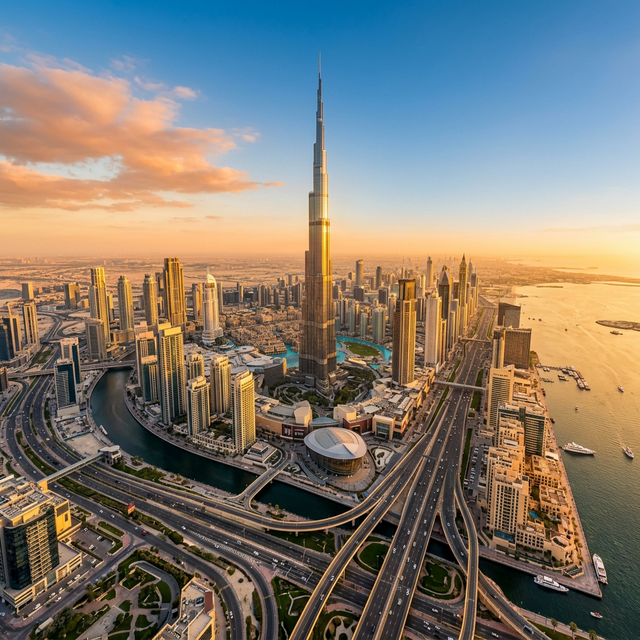
Of all teaching specialisms, physics consistently ranks as the hardest subject to recruit for in international schools across the Middle East. The global shortage of qualified physics teachers — rooted in the fact that physics graduates are highly sought after by industries like engineering, technology, finance, and data science — means that schools in Dubai, Abu Dhabi, Qatar, Saudi Arabia, Kuwait, Bahrain, and Oman compete fiercely for every available candidate. In 2026, this shortage has only intensified as Gulf nations invest heavily in STEM education to fuel their economic diversification plans.
For physics teachers, this imbalance of supply and demand translates into significant advantages: higher salaries, faster hiring timelines, greater choice of schools, and stronger negotiating power on benefits packages. If you are a qualified physics teacher considering the Middle East, you are entering one of the strongest job markets in international education.
The Salary Premium for Physics Teachers
Physics teachers in the Middle East typically earn a 10–20% salary premium above the standard classroom teacher scale. This premium reflects the difficulty schools face in recruiting physics specialists and the high value placed on STEM education across the region. The exact premium varies by school and country, but the pattern is consistent.
| Country | Standard Teacher Salary (Monthly) | Physics Teacher Salary (Monthly) | Approx. USD Equivalent |
|---|---|---|---|
| UAE (Dubai) | AED 10,000 – 16,000 | AED 12,000 – 19,000 | USD 3,270 – 5,170 |
| UAE (Abu Dhabi) | AED 11,000 – 17,000 | AED 13,000 – 20,000 | USD 3,540 – 5,450 |
| Qatar | QAR 10,000 – 16,000 | QAR 12,000 – 19,000 | USD 3,300 – 5,220 |
| Saudi Arabia | SAR 10,000 – 16,000 | SAR 12,000 – 19,000 | USD 3,200 – 5,070 |
| Kuwait | KWD 800 – 1,200 | KWD 950 – 1,400 | USD 3,100 – 4,560 |
| Bahrain | BHD 800 – 1,200 | BHD 900 – 1,400 | USD 2,120 – 3,710 |
| Oman | OMR 800 – 1,300 | OMR 950 – 1,500 | USD 2,470 – 3,900 |
All Gulf countries are tax-free, so these figures represent take-home pay. Benefits packages — including accommodation, flights, medical insurance, and tuition discounts — are provided on top of the base salary. For a full comparison, see our Middle East teacher salary guide.
IB Physics vs A-Level Physics vs AP Physics: Curriculum Comparison
IB Diploma Physics
The International Baccalaureate Diploma Programme offers Physics at Standard Level (SL) and Higher Level (HL). IB Physics emphasises conceptual understanding, experimental skills, and the application of physics to real-world contexts. Teachers need to be comfortable with internal assessment moderation, the Group 4 project, and the IB’s inquiry-based teaching philosophy. IB training (either Category 1, 2, or 3 workshops) is highly recommended and often required by schools. IB Physics teachers are particularly sought after at schools like Qatar Academy, Jumeirah English Speaking School (JESS), ACS International Schools, and UWC schools in the region.
A-Level Physics (CIE, Edexcel, AQA)
British-curriculum schools across the Middle East offer A-Level Physics, typically through the Cambridge International (CIE), Edexcel, or AQA examination boards. A-Level Physics is more mathematically rigorous than IB SL Physics and is preferred by students targeting engineering and physical science degrees at UK universities. Teachers delivering A-Level Physics at schools like GEMS Wellington Academy, Repton Dubai, Kings’ School Dubai, and Doha College need strong subject knowledge and familiarity with the specific exam board’s syllabus and practical endorsement requirements.
AP Physics (1, 2, C: Mechanics, C: E&M)
American-curriculum schools offer Advanced Placement Physics at various levels. AP Physics 1 and 2 are algebra-based, while AP Physics C: Mechanics and C: Electricity & Magnetism are calculus-based. Schools such as American School of Dubai, American International School Abu Dhabi, and American School of Doha recruit AP Physics teachers. Familiarity with College Board standards and AP exam preparation is essential.
Which Countries Need Physics Teachers Most?
United Arab Emirates
The UAE — particularly Dubai and Abu Dhabi — has the largest concentration of international schools in the Middle East, and consequently the highest absolute demand for physics teachers. With over 600 private schools in Dubai alone, the UAE is the single biggest market. The country’s push toward innovation and technology under its national strategy further amplifies demand for STEM educators.
Saudi Arabia
Saudi Arabia’s Vision 2030 has placed enormous emphasis on STEM education. New schools are opening across the Kingdom, and existing schools are expanding their science departments. The introduction of STEM-focused curricula in government schools has created a wave of new physics teaching positions. See our Saudi Arabia teaching guide for more on working in the Kingdom.
Qatar
Qatar’s investment in education through the Qatar Foundation and its national development strategy means physics teachers are consistently needed. The country’s smaller size relative to the UAE and Saudi Arabia means fewer total positions, but the competition for quality candidates is just as intense. Read more in our Qatar science teacher guide.
Kuwait, Bahrain, and Oman
These smaller Gulf states have growing international school sectors and offer physics teachers a slightly less hectic lifestyle than Dubai or Riyadh. Salaries are competitive, and the cost of living is generally lower. Schools such as The English School Kuwait, St. Christopher’s School Bahrain, and The British School Muscat regularly recruit physics specialists.
Qualification Requirements for Physics Teachers
- Bachelor’s degree in Physics or a closely related subject (e.g., Engineering Physics, Applied Physics, Astrophysics). A degree in general science or combined sciences may not be sufficient for specialist physics positions.
- Recognised teaching qualification: PGCE/QTS (UK), state teaching licence (US/Canada), Graduate Diploma of Education (Australia), or equivalent.
- Minimum 2 years post-qualification classroom teaching experience in physics.
- Curriculum-specific training: IB Category training for IB schools; familiarity with CIE/Edexcel/AQA for A-Level roles; AP certification for American schools.
- Strong practical skills: Ability to design and deliver laboratory experiments safely and effectively.
Career Development for Physics Teachers in the Middle East
Physics teachers in the Middle East have excellent career progression opportunities. Common pathways include promotion to Head of Physics, Head of Science, STEM Coordinator, or IB Diploma Programme Coordinator. With leadership experience, physics teachers can move into assistant principal or deputy head roles. The Middle East’s professional development culture is strong, with many schools funding IB training, NPQML/NPQSL courses, and master’s degree programmes.
For information on leadership roles, see our guides to head teacher positions and deputy head roles in international schools.
How to Maximise Your Value as a Physics Teacher

- Obtain IB training: Even if you currently teach A-Level, IB training opens doors to the highest-paying schools in the region.
- Develop dual-curriculum expertise: Teachers who can deliver both A-Level and IB Physics are extremely valuable.
- Build practical skills: Experience with advanced lab equipment, robotics, and data-logging technology sets you apart.
- Pursue leadership qualifications: NPQML or equivalent middle leadership qualifications position you for rapid promotion.
- Network: Attend recruitment fairs and connect with school leaders through professional networks.
Frequently Asked Questions
Why are physics teachers paid more than other teachers in the Middle East?
Physics teachers receive a salary premium because of the severe global shortage of qualified physics specialists. Physics graduates have many lucrative career options outside teaching (engineering, technology, finance), so fewer enter the profession. This scarcity drives up salaries, with premiums of 10–20% above the standard teacher scale being common across the Gulf.
Can I teach physics in the Middle East with an engineering degree?
Yes, many schools will accept a degree in engineering or a physics-related discipline, provided you also hold a recognised teaching qualification (PGCE, QTS, or state licence). Some schools may require you to demonstrate that your degree included sufficient physics content. An engineering background can actually be an advantage, as it demonstrates practical application of physics concepts.
Which curriculum pays the most for physics teachers?
IB Diploma Physics teachers at premium schools tend to earn the highest salaries, followed by A-Level Physics teachers at top British-curriculum schools. AP Physics roles at American schools are also well-compensated. The specific school and its fee structure often matter more than the curriculum type. Qatar Foundation schools, GEMS premium-tier schools, and elite group schools like Repton and Brighton College are among the highest payers.
Is there demand for physics teachers outside the Gulf states?
Yes. While the Gulf states offer the highest salaries, physics teachers are also in demand at international schools across the wider Middle East, including Jordan, Lebanon, Egypt, and Turkey. However, salaries in these countries are significantly lower than in the Gulf. Many physics teachers start in the Gulf to save money, then move to other regions for different experiences.
How quickly can I get a physics teaching job in the Middle East?
Qualified physics teachers often receive interview invitations within days of applying. The hiring process from application to offer can be as short as 2–3 weeks at schools with urgent vacancies. During peak recruitment season (January–April), physics teachers with IB or A-Level experience and strong references can expect multiple offers. For a broader look at STEM subject demand, see our STEM teacher demand analysis.
What professional development is available for physics teachers in the Middle East?
Most international schools in the Middle East invest heavily in professional development. Physics teachers can access IB category workshops, Cambridge Professional Development, AP Summer Institutes, STEM leadership courses, and postgraduate programmes. Many schools have dedicated CPD budgets and grant teachers several days per year for external training. Regional science teacher networks also organise conferences and collaboration events.
